An official website of the United States government





Beta Testing Underway in New Mexico for DUSTIEAIM Campaign
Published: 26 March 2026
Site installation tentatively scheduled to start in mid-April 2026 in Arizona
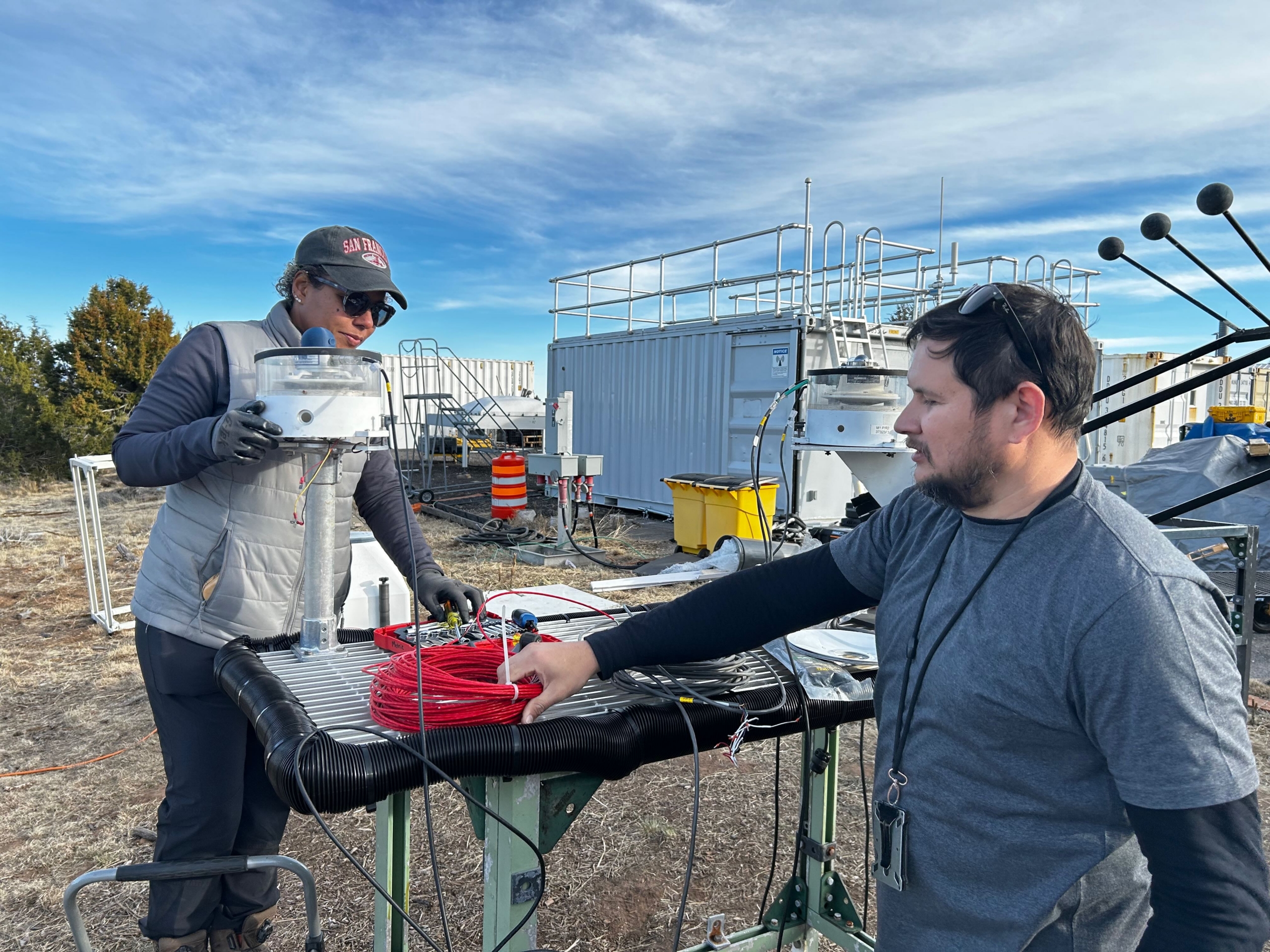
A swath of land at Los Alamos National Laboratory (LANL) in New Mexico is buzzing with activity as instruments and systems are being tested and prepared for the Atmospheric Radiation Measurement (ARM) User Facility’s next mobile deployment.
On June 1, 2026, ARM is slated to begin the Desert-Urban SysTem IntegratEd AtmospherIc Monsoon (DUSTIEAIM) field campaign. Led by LANL scientist Allison C. Aiken, DUSTIEAIM will collect data in the Phoenix, Arizona, area, to help researchers better understand how urban and desert environments influence convection and precipitation.
Beta testing is underway at LANL to get ARM instruments ready for DUSTIEAIM. LANL manages the ARM Mobile Facility that is set to operate as part of DUSTIEAIM from June 2026 through September 2027.
The Phoenix area often experiences summers with heavy rain from the North American Monsoon, large-scale dust storms called haboobs, and long stretches of daytime temperatures exceeding 100 degrees Fahrenheit. During the beta testing at LANL, ARM staff are hardening DUSTIEAIM instruments and other hardware to help them withstand the extreme summer conditions expected during the campaign.
Teamwork to Make DUSTIEAIM Work
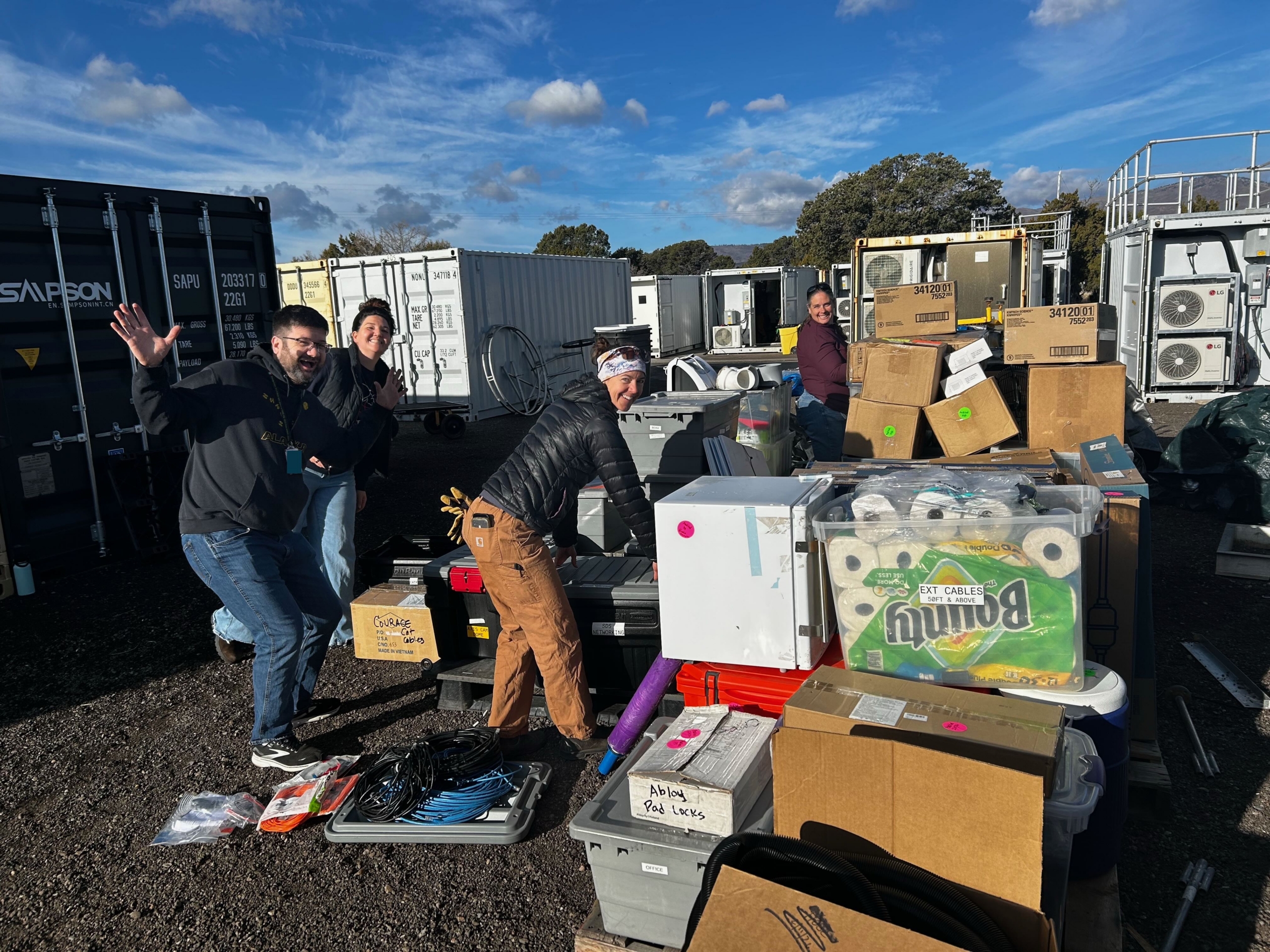
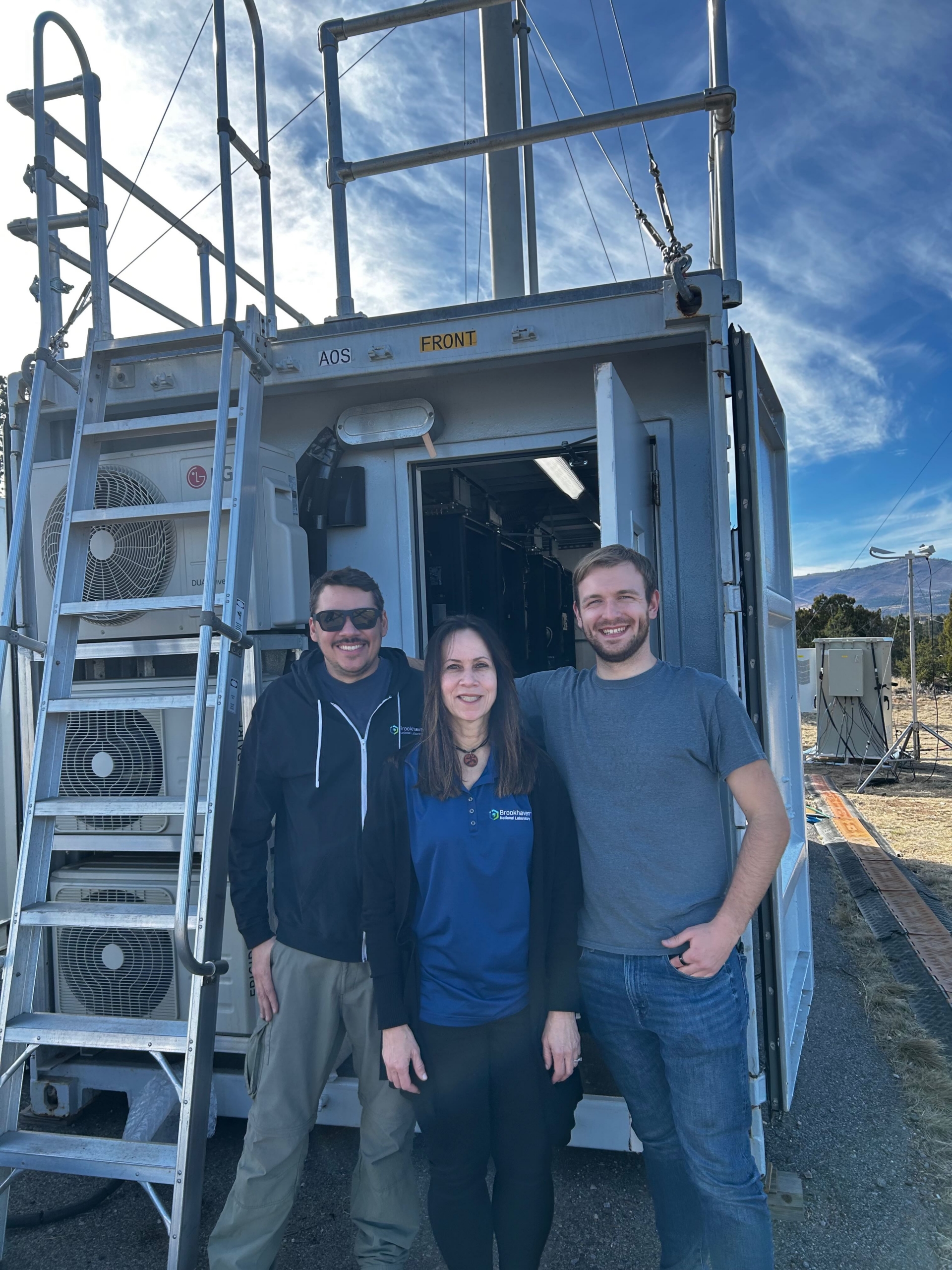
ARM staff from other national labs have come out to LANL to help with the beta testing.
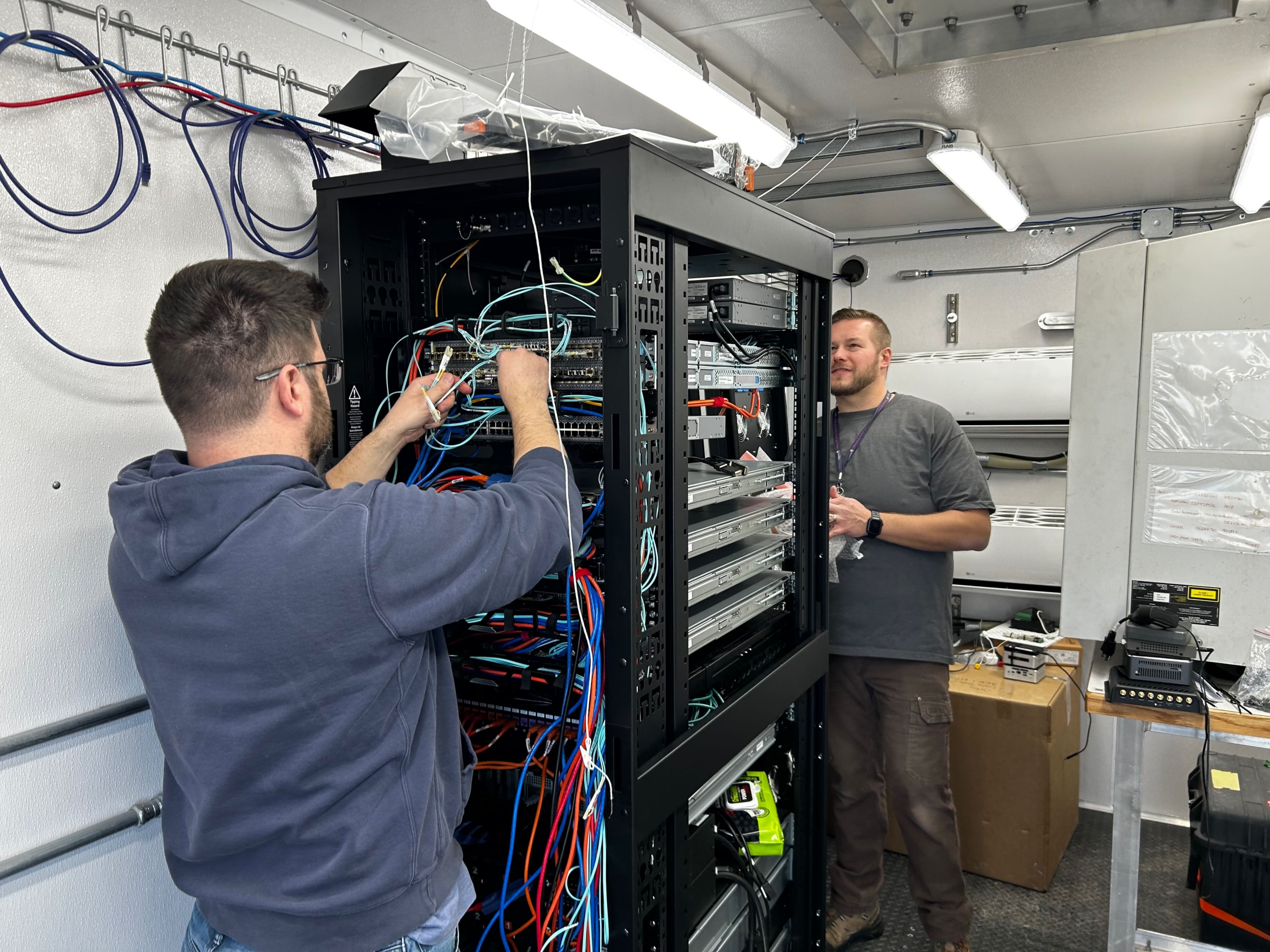
Staff from Argonne National Laboratory in Illinois worked on the ARM site data system for DUSTIEAIM. The system will save data from instruments in the field and securely send them to the ARM Data Center.
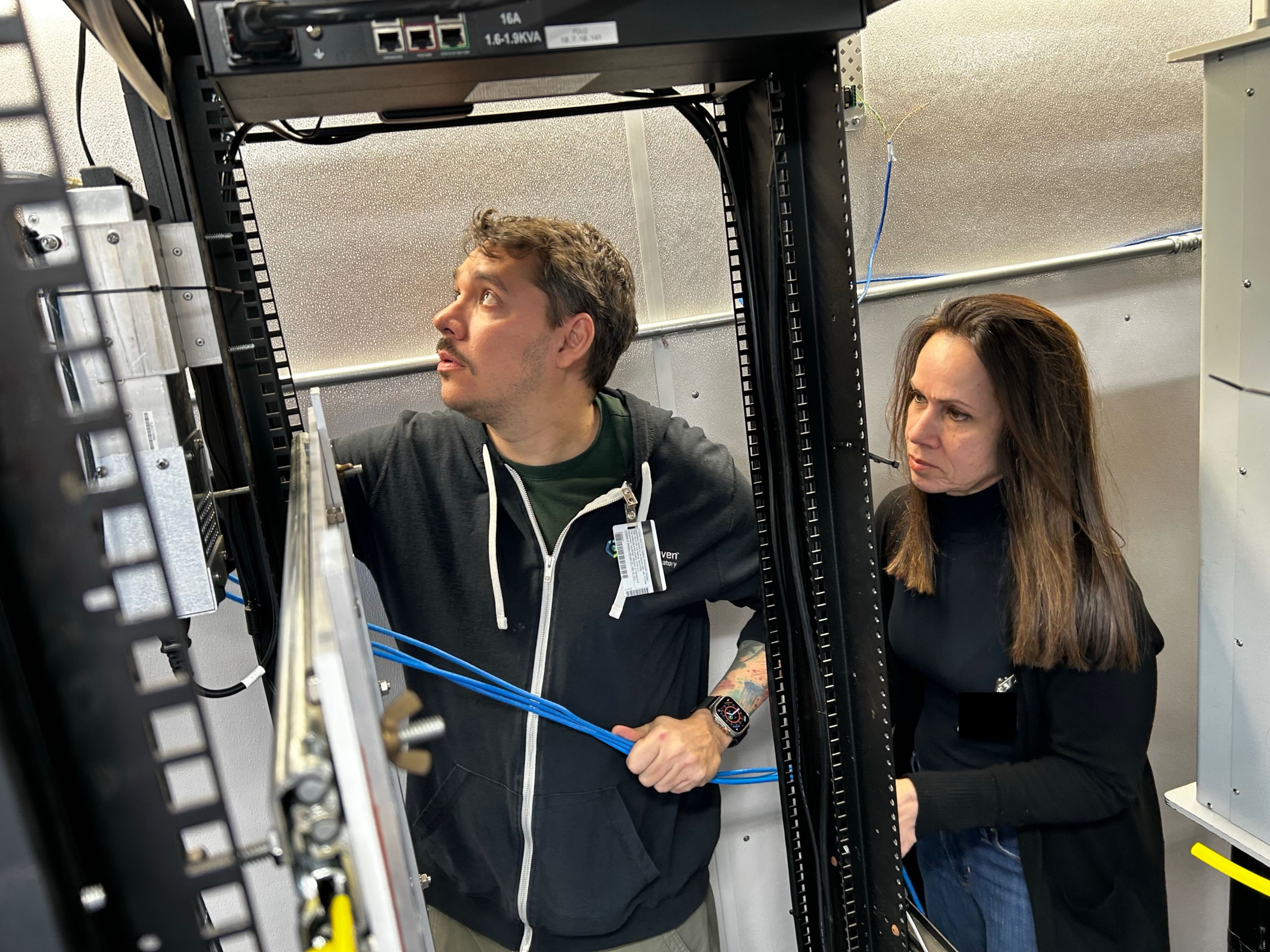
A team from Brookhaven National Laboratory in New York made upgrades to the Aerosol Observing System (AOS). The team relocated key systems and lines, replaced sensor junction boxes, and tested sensors that measure pressure, temperature, and relative humidity.
In addition, the Brookhaven staff installed and tested a system that protects the AOS during extreme aerosol events, such as dust storms or wildfires. The system floods the AOS with clean air to prevent unusually high aerosol loading and safeguard instruments, while enabling automatic zero tests on AOS instruments and sample lines. During zero tests, HEPA-filtered, particle-free air is sampled to confirm that instruments read near zero. These tests help with identifying and correcting sample line leaks, as readings above zero indicate a possible leak.
ARM Property Manager Sarah Fillmore of Pacific Northwest National Laboratory in Washington state traveled to LANL the week of March 23 to meet with LANL ARM logistics and operations staff members and conduct some inventory-related activities ahead of the DUSTIEAIM deployment.
After that, ARM staff will get ready to head to Arizona for the DUSTIEAIM site installation is tentatively slated to start in mid-April. Data verification is expected to begin in mid-May and finish in time for DUSTIEAIM’s June 1 start date.
|
|
|
|
|
|
Follow Us:






Keep up with the Atmospheric Observer
Updates on ARM news, events, and opportunities delivered to your inbox
ARM User Profile
ARM welcomes users from all institutions and nations. A free ARM user account is needed to access ARM data.