An official website of the United States government





Power Your Research with ARM
The U.S. Department of Energy’s Atmospheric Radiation Measurement (ARM) User Facility provides 30-plus years of atmospheric measurements, including data sets from all seven continents and five oceans, to advance the understanding of the Earth’s atmosphere.
Access ARM Data
ARM collects continuous measurements and develops data products that promote the advancement of earth system models.
New to ARM?
As a U.S. Department of Energy Office of Science user facility, ARM makes its data freely available to scientists around the world.
Use ARM Facilities for Your Research
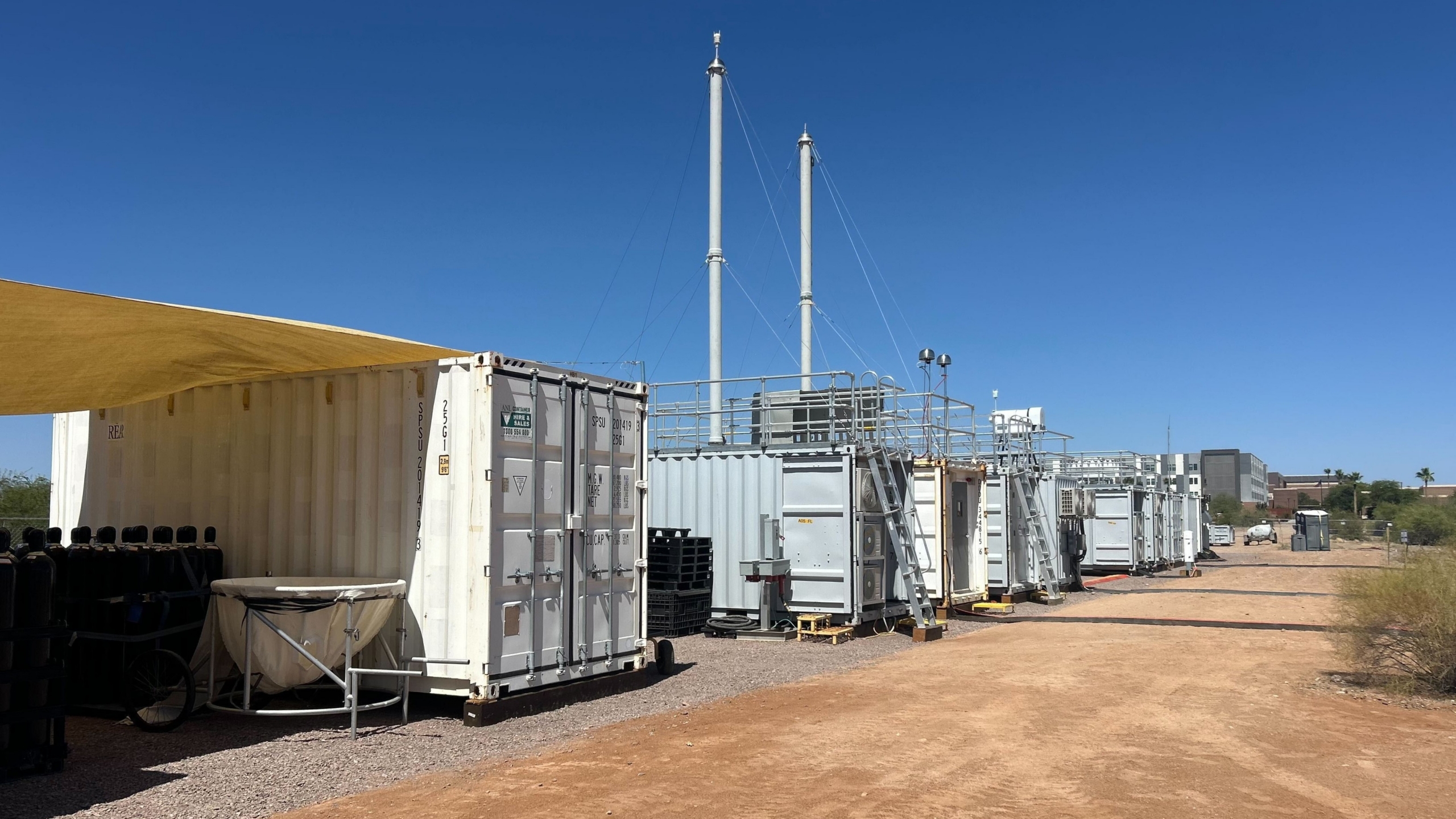
Desert-Urban SysTem IntegratEd AtmospherIc Monsoon
1 June 2026 - 30 September 2027 View All CampaignsARM Annual Facility Call and ARM/EMSL FICUS Call
Deadline has passed View Call InformationExplore the ARM Observatories
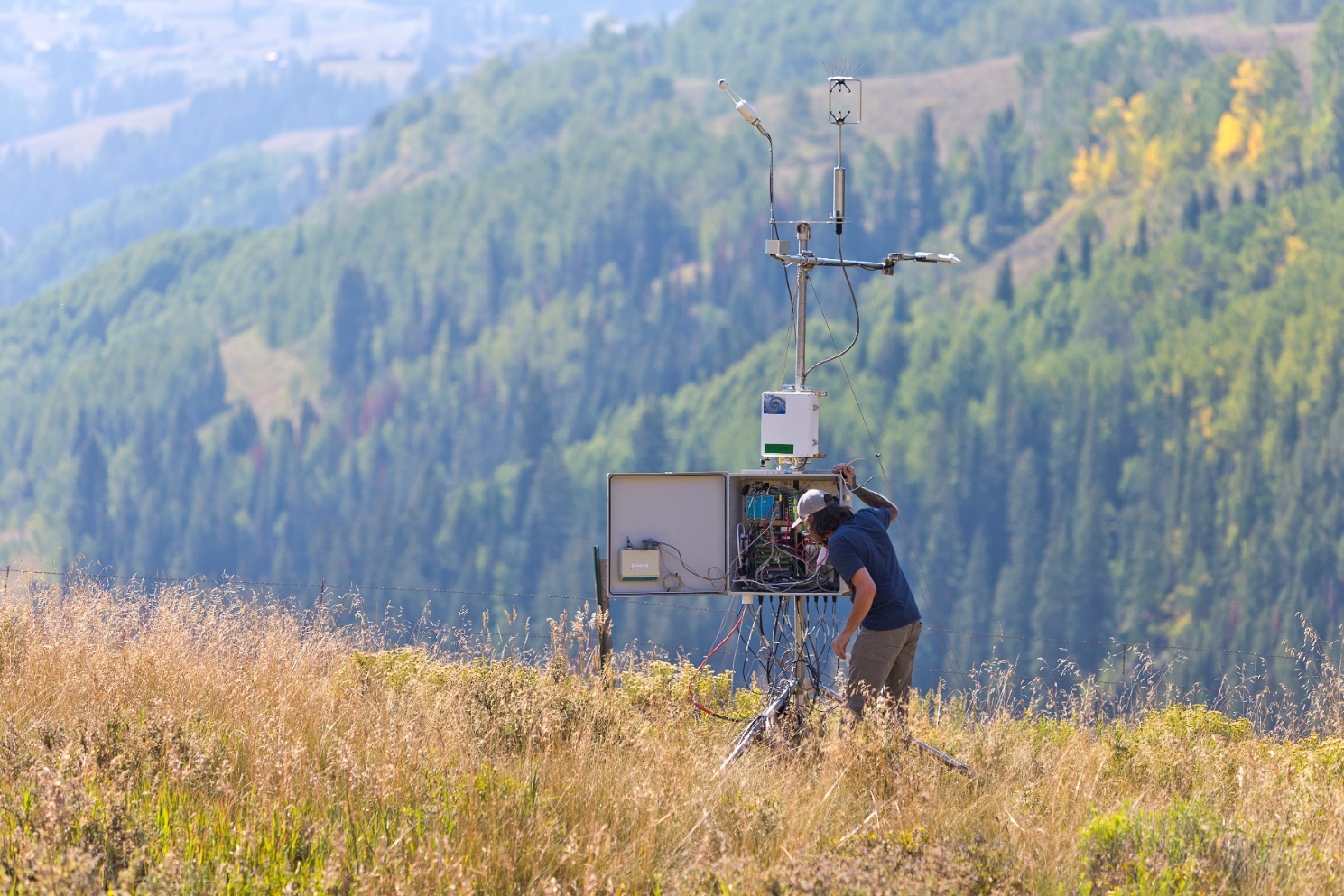
Discover ARM's Capabilities


Read the Latest from ARM
Features
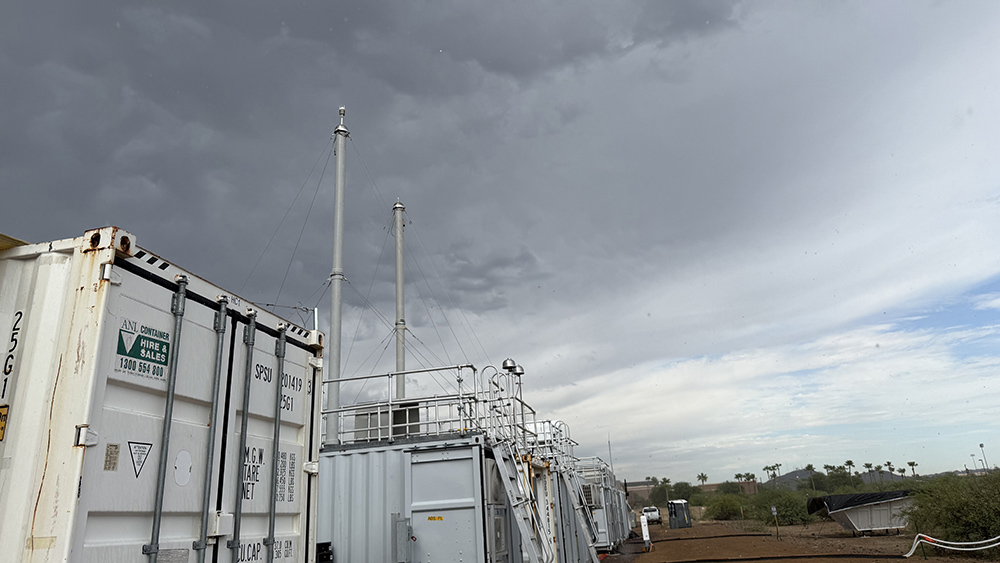
ARM Conducts Phoenix Study to Unlock Secrets of Monsoon Storms
A field campaign hosted by Arizona State University will explore how extreme heat, urban growth, and dust influence storm intensity.
Longtime ARM Director Winds Down Impactful Career
Jim Mather, who is retiring this summer after three decades with ARM, reflects on his life and career.
ARM Names New Director
Atmospheric scientist Larry Berg will guide ARM into the next era of scientific observations and succeed Jim Mather, who has led ARM since 2007.
Data Announcements
Additional Enhanced Cloud Microphysics Data Released to Production
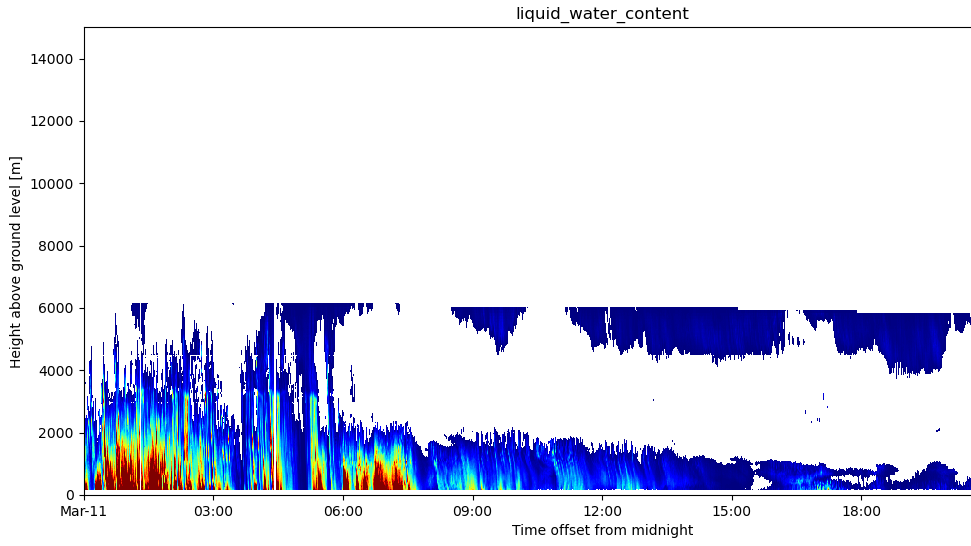
Along with releasing new production data from its Improved Continuous Baseline Microphysical Retrieval (MICROBASE) product with uncertainty estimation, ARM has reprocessed previously released versions of MICROBASE products and renamed them as MICROBASE.
New Microwave Radiometer Retrieval Data Released
The Microwave Radiometer Retrievals (MWRRET) value-added product is available for the first time for several ARM sites. In addition, the MWRRET data set for ARM’s North Slope of Alaska atmospheric observatory has been extended.
New EPCAPE VARANAL Forcing Data Released to Evaluation
A new version of continuous large-scale forcing data for the 2023–2024 Eastern Pacific Cloud Aerosol Precipitation Experiment (EPCAPE) is now available from ARM.

Research Highlights
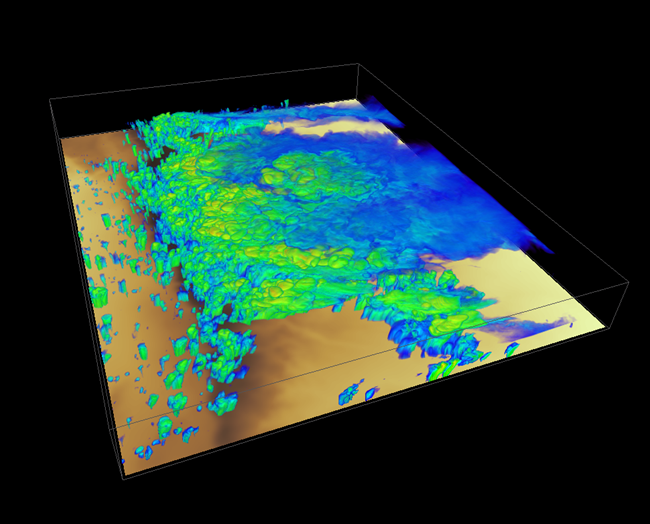
Deviations From Mixed-Layer Similarity in the Moist Convective Boundary Layer
We systematically investigated the influence of water vapor fluctuations on turbulence statistics in the convective atmospheric boundary-layer using a series of numerical simulations. Although water vapor is typically assumed to play a passive role in turbulence dynamics, we find that it plays an active role, where it contributes to buoyancy independently of temperature and influences the nature of turbulent transport under humid conditions.
Aircraft Flux Measurements Pinpoint Where New Particles Form in the Marine Boundary Layer
New aerosol particle formations within the marine boundary layer (MBL) have been difficult to pin down, limiting how well earth system models represent this aerosol source. Using measurements from the U.S. Department of Energy Atmospheric Radiation Measurement (ARM) Aerial Facility's G-1 aircraft during the Aerosol and Cloud Experiments in the Eastern North Atlantic (ACE-ENA) campaign, researchers applied a continuous wavelet transformation technique to derive vertical turbulent fluxes of freshly nucleated 3-10nm particles. This approach sidesteps the stationarity assumptions that limit traditional eddy covariance methods on a fast-moving aircraft platform, and it uses flux direction—upward versus downward—to infer whether a nucleation source lies above or below the aircraft.
Aerosol Effects on Deep Convective Clouds by Considering PBL-Cloud Coupling, CAPE & Meteorology
Atmospheric aerosols are small particles that play a fundamental role in cloud formation by serving as nuclei for water vapor condensation. In deep convective clouds (DCCs), aerosols have been hypothesized to enhance cloud development and storm intensity—a phenomenon known as the aerosol invigoration effect. However, this effect remains highly uncertain due to the complexity of cloud processes and the strong covariability between aerosols and meteorological conditions. This study provides new insight into aerosol-cloud interactions by introducing the concept of cloud-surface coupling, which describes the extent to which clouds interact with the underlying planetary boundary layer. The results demonstrate that this coupling fundamentally modulates the interplay between aerosols and meteorology. Notably, clear invigoration signals emerge only under coupled conditions, where clouds are dynamically linked to the surface. Although convective available potential energy (CAPE) also contributes to cloud intensification, its influence is separated from aerosol effects by constraining their co-variability.

Follow Us:






Keep up with the Atmospheric Observer
Updates on ARM news, events, and opportunities delivered to your inbox
ARM User Profile
ARM welcomes users from all institutions and nations. A free ARM user account is needed to access ARM data.