An official website of the United States government





DUSTIEAIM Deployment Moves Closer to Kickoff
Published: 28 May 2026
ARM will start campaign operations in Phoenix, Arizona, on June 1, 2026
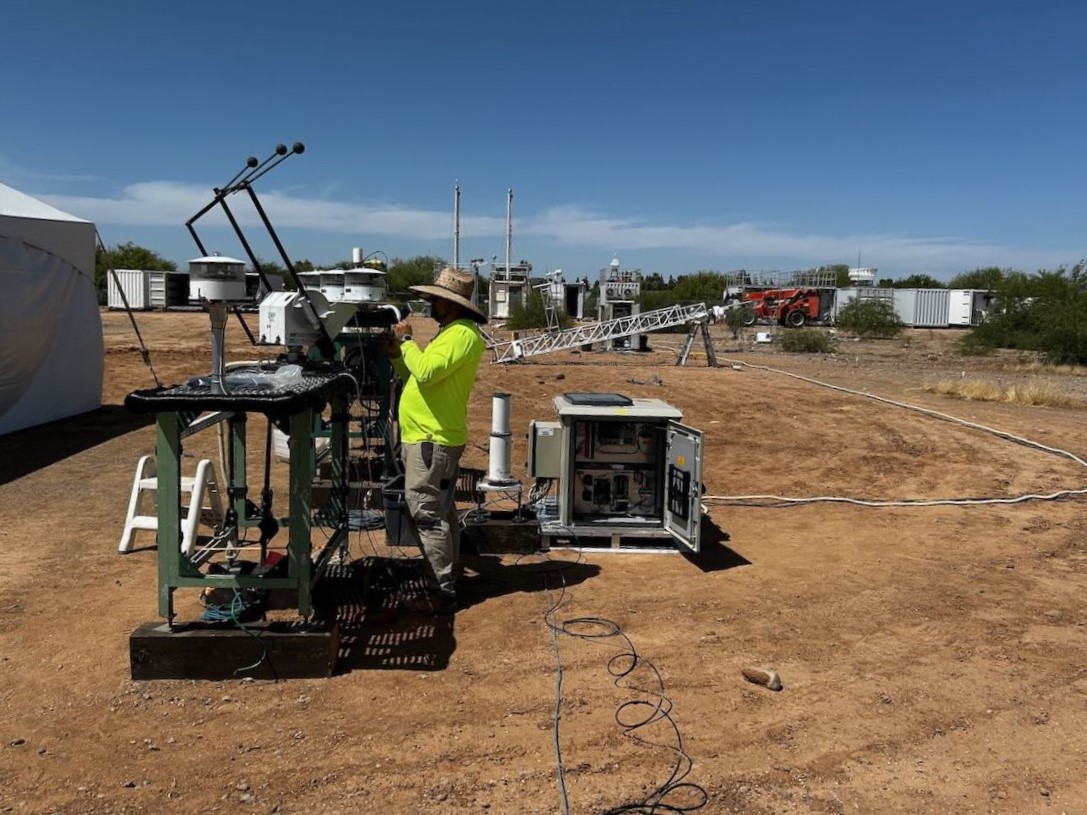
The Atmospheric Radiation Measurement (ARM) User Facility is just about ready to begin operations at its newest mobile deployment.
Data verification started May 16, 2026, for the Desert-Urban SysTem IntegratEd AtmospherIc Monsoon (DUSTIEAIM) field campaign in Phoenix, Arizona. During the data verification period, which is expected to wrap up May 31, ARM staff are reviewing datastreams coming in from installed instruments to ensure that the instruments are configured correctly for the campaign and working as expected.
Operations for DUSTIEAIM (pronounced “dusty-aim”) will officially kick off June 1.
Led by Allison C. Aiken, a scientist at Los Alamos National Laboratory in New Mexico, the campaign will take place in Phoenix to help researchers learn more about how urban and desert environments influence convection and precipitation. They are particularly interested in studying aerosol-storm interactions during the summertime North American Monsoon. In Arizona, monsoon season is defined as June 15 to September 30.
Once operations begin, DUSTIEAIM data will be available to access from the ARM Data Center.
Gearing Up for Operations
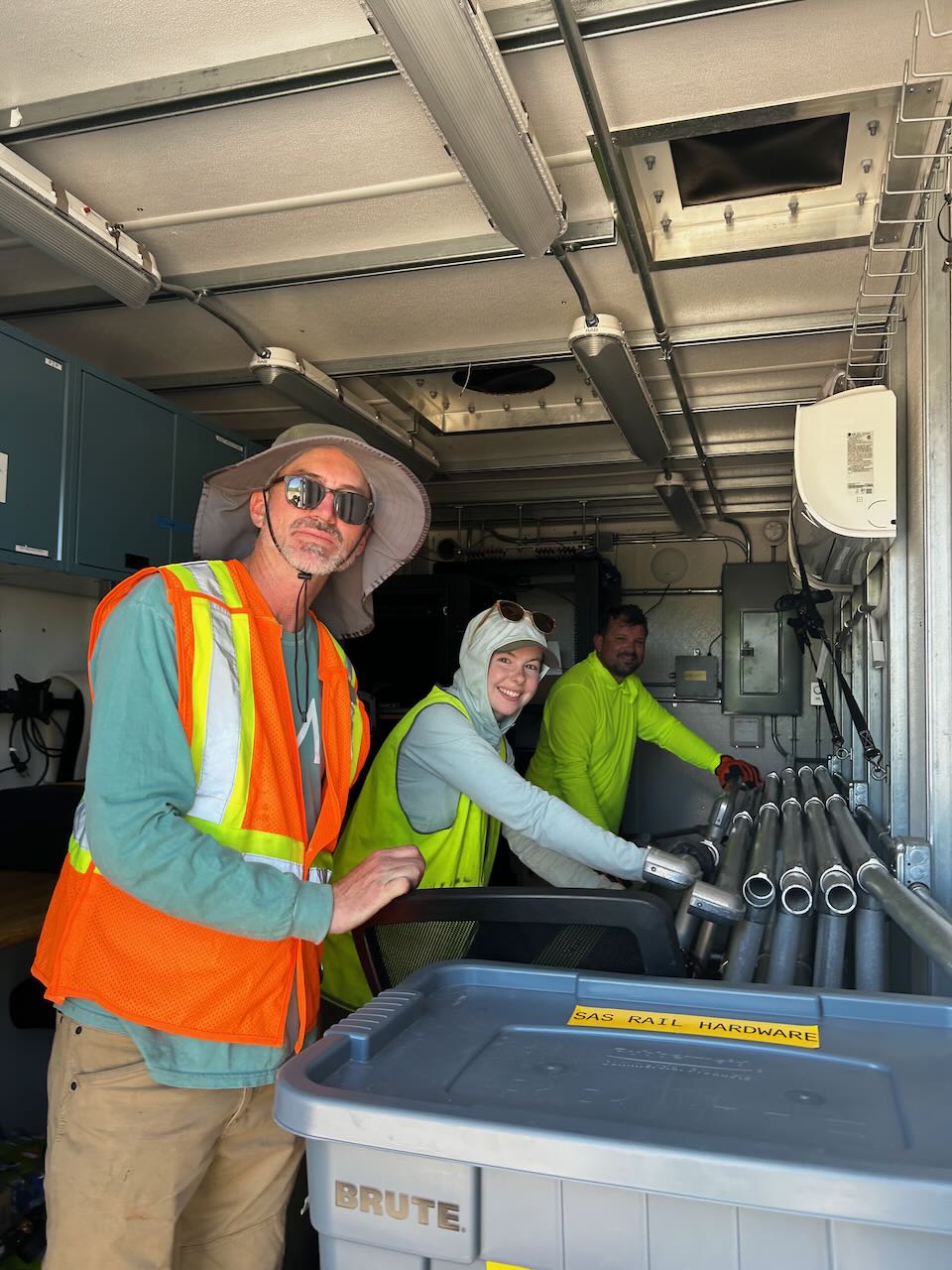
DUSTIEAIM site installation began April 24 at Arizona State University’s West Valley campus. At the main ARM Mobile Facility site, instrument shelters are in place, and most of the instruments are installed.
ARM site data systems staff and instrument mentors for the atmospheric emitted radiance interferometer, Aerosol Observing System, and ice nucleation spectrometer have visited the site to prepare their systems for campaign operations.
Across campus from the main site, ARM will operate a new C-Band Scanning ARM Precipitation Radar and conduct periodic tethered balloon system (TBS) flights.
ARM is working with Arizona State to finalize installation details for the 35-foot-tall scanning radar structure. Once operational, the radar will perform both baseline and targeted scans for studies related to precipitation and convective cloud characterization.
The first two-week TBS mission is expected to start in June. Two more TBS missions are planned for August and September.
Scientists can still submit small campaign proposals to ARM for additional instrument payload on the August and September DUSTIEAIM flights. Proposals are due June 26. For more information about the proposal process, please read the guidelines for this fiscal year 2026 TBS opportunity.
ARM will have four technicians—Ana Gabriela “Gabi” Bloom, Mark Manriquez, Chaz Padilla, and Frank Zurek—working onsite to monitor and maintain instruments during DUSTIEAIM. All four have supported previous ARM Mobile Facility deployments.
The first DUSTIEAIM intensive operational period is scheduled to go from July 1 to September 30 to observe the 2026 monsoon season. Two more intensive operational periods are planned before DUSTIEAIM is slated to end operations September 30, 2027.
Three guest research campaigns connected to DUSTIEAIM have been approved so far. Scientists can still submit small campaign proposals to ARM for guest instrument deployments to DUSTIEAIM. Proposals should be submitted at least six weeks before the desired start of the small campaign to allow time for the ARM review process.
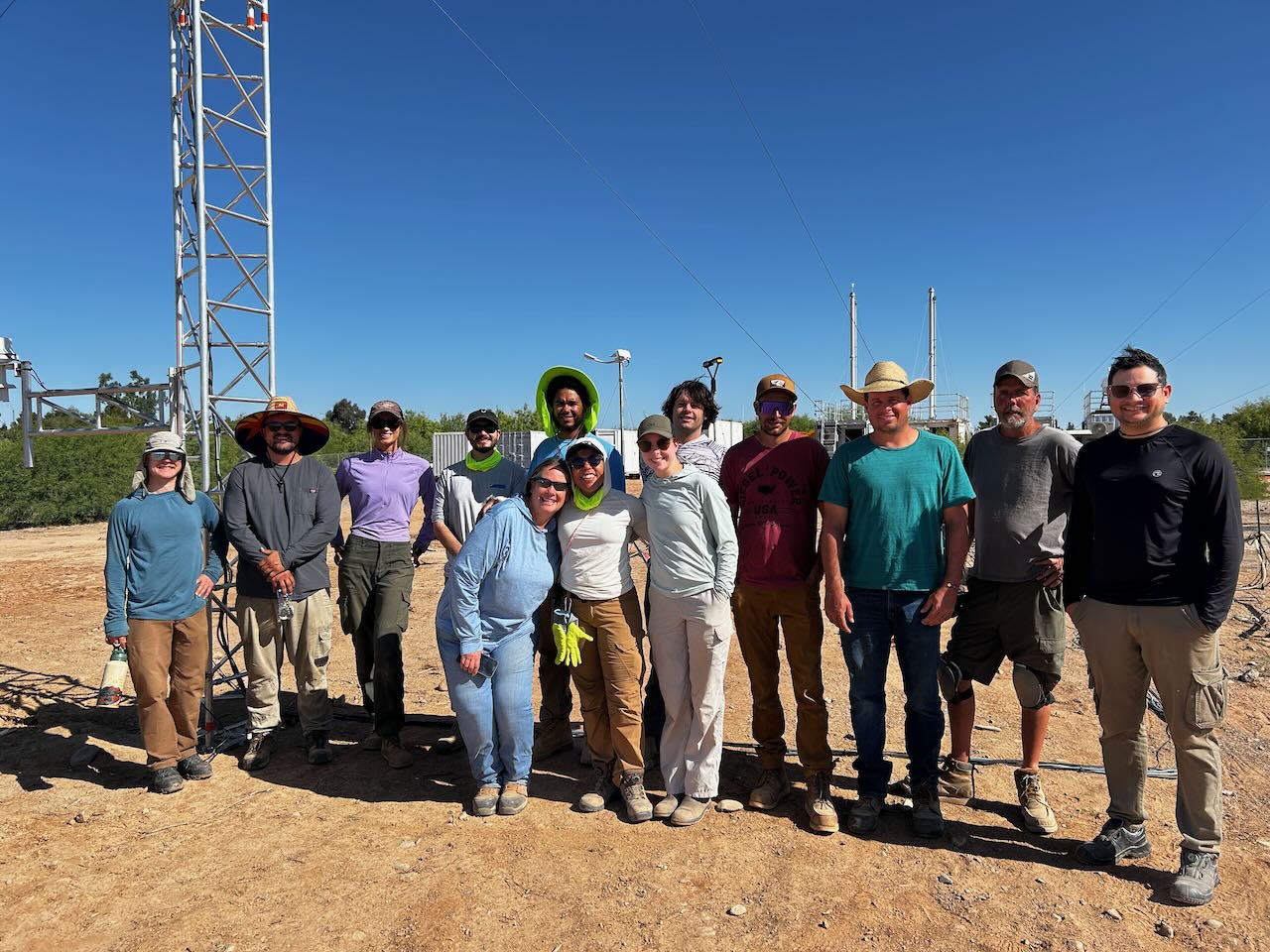
Check out more DUSTIEAIM site installation photos in the ARM Flickr campaign album.

Follow Us:






Keep up with the Atmospheric Observer
Updates on ARM news, events, and opportunities delivered to your inbox
ARM User Profile
ARM welcomes users from all institutions and nations. A free ARM user account is needed to access ARM data.