An official website of the United States government





Unlocking Southern Ocean Secrets: CAPE-k Targets Cloud and Precipitation Processes
Published: 28 January 2026
18-month campaign concludes in Tasmania
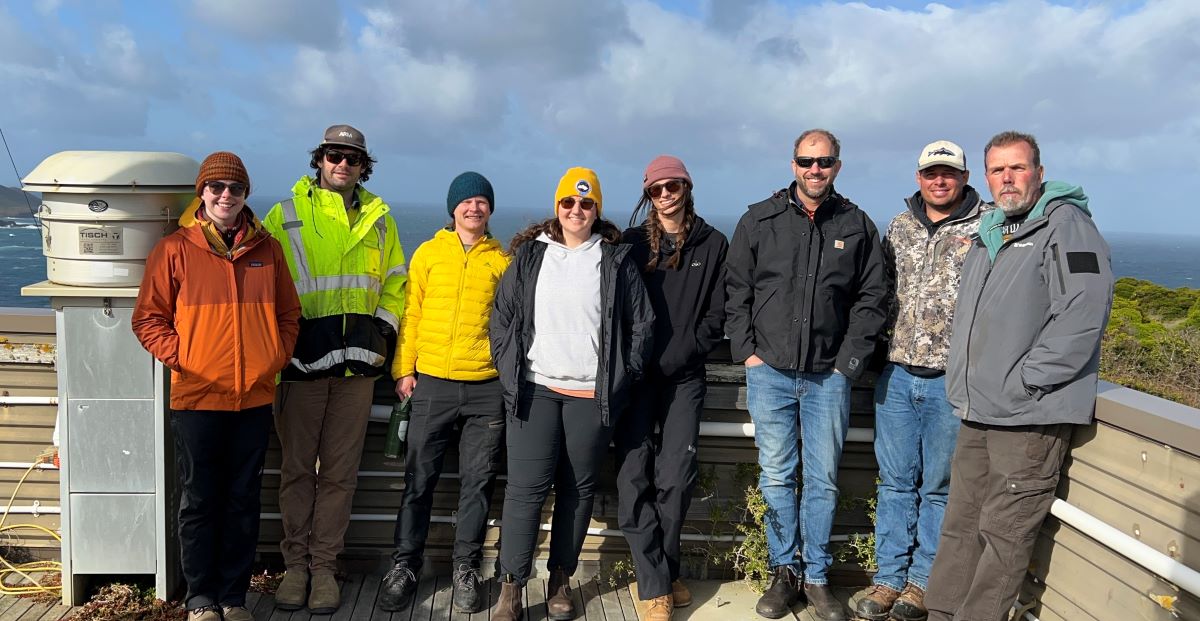
With robust international partnerships and support from Australia’s Bureau of Meteorology (BOM) and Commonwealth Scientific and Industrial Research Organisation (CSIRO), the effort produced a new trove of data—available in the ARM Data Center—to help answer long-standing questions about cloud and precipitation processes over the Southern Ocean. This harsh, remote ocean plays a central role in absorbing sunlight, heat, and carbon from the atmosphere, and it strongly influences global atmospheric and oceanic conditions.
“This campaign is providing new and important data about a part of the world where scientific-quality observations of clouds and precipitation are all too scarce,” says CAPE-k Co-Principal Investigator Roger Marchand from the University of Washington. “These data contain valuable information about aerosol-cloud-precipitation interactions that will be used by the research community to strengthen the accuracy of earth system models.”
Opening a Window Into Pristine Air
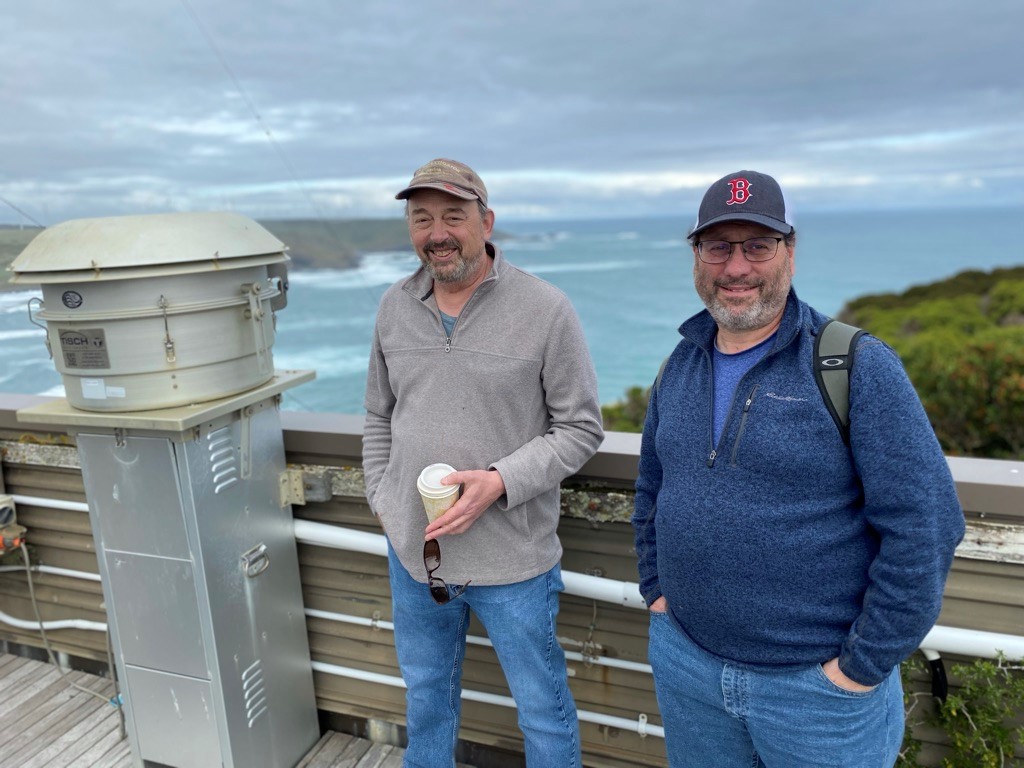
The scientific goal of CAPE-k was to capture a complete seasonal cycle of cloud and precipitation observations to help researchers improve understanding and modeling of related processes over the Southern Ocean. This region has long posed challenges for accurate simulation.
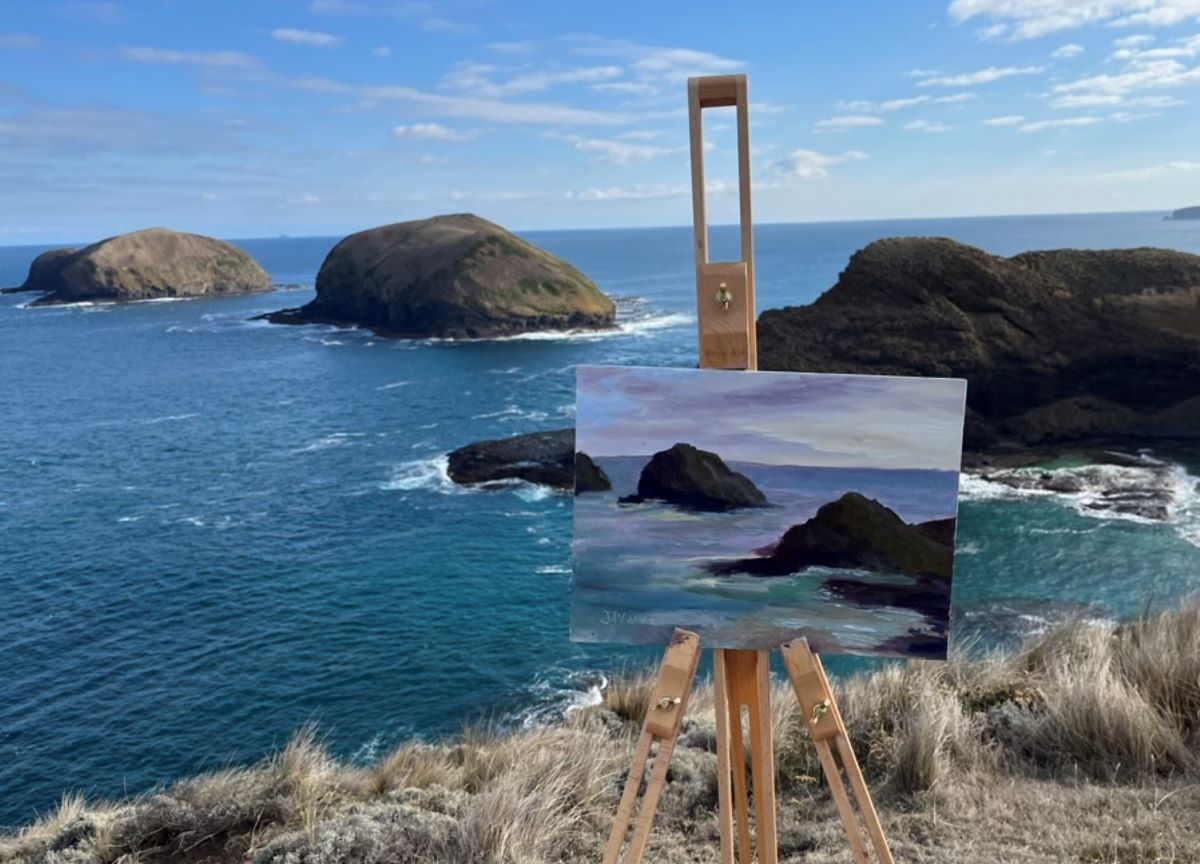
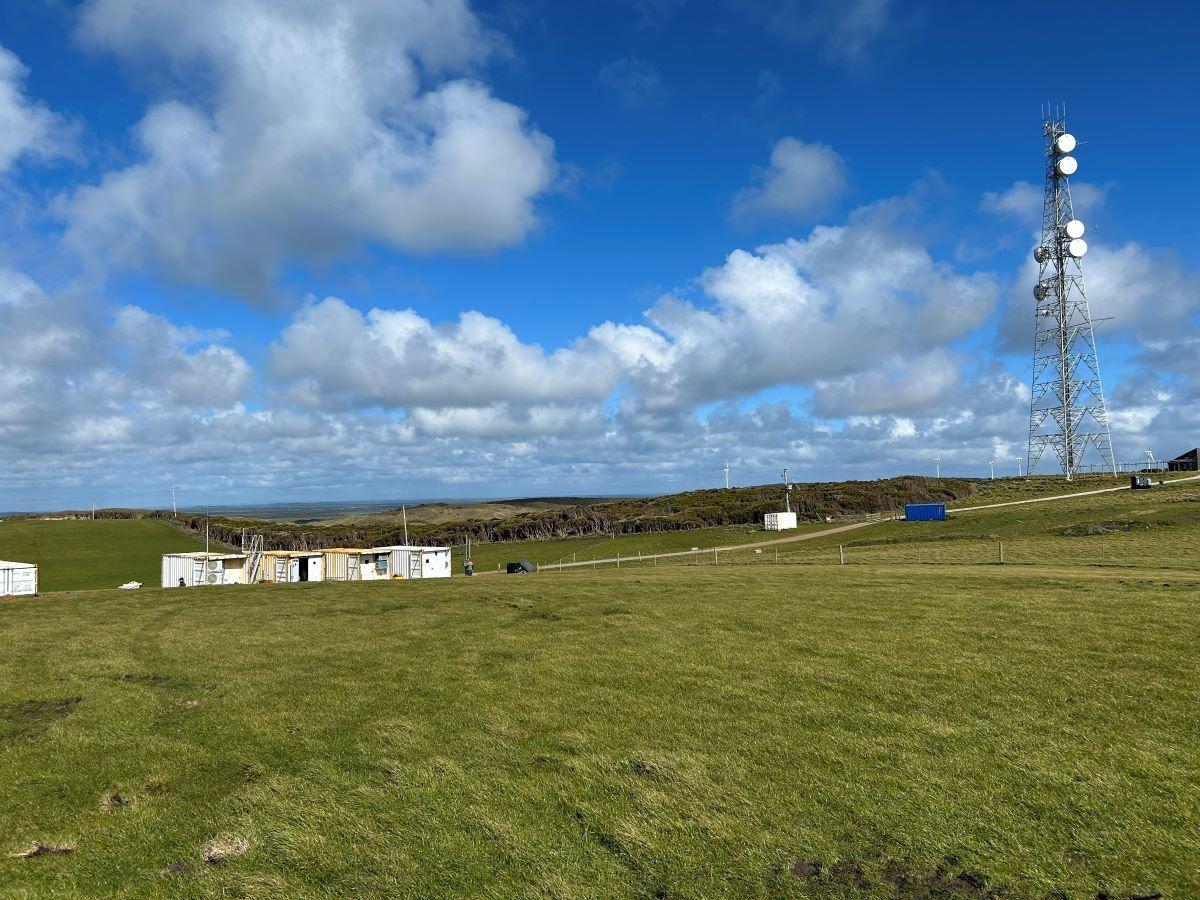
The site, located on the tip of northwestern Tasmania, was chosen for its unique position. When the air masses arrive over kennaook / Cape Grim from the far south, the air is known to be a vestige of the preindustrial Earth, having spent weeks removed from land and human influence. Because of this, it is known as baseline air, which can serve as a proxy for preindustrial atmospheric conditions.
The site also encounters air that originates from continental Australia or Tasmania.
“The data collected in these contrasting air masses is significant and could be a convenient counterpoint to the baseline air,” says CAPE-k Co-Principal Investigator Jay Mace from the University of Utah.
For nearly 50 years, the site has hosted the Kennaook / Cape Grim Baseline Air Pollution Station (KCG BAPS), which has built a long-term record of aerosol and gas-phase chemistry. During the CAPE-k campaign, ARM and guest instruments gathered extensive cloud and precipitation measurements to enhance the station’s data record and enable studies of aerosol-cloud-precipitation interactions in this unique environment.
Among the instruments deployed were advanced radar systems, including Ka-, W-, and G-band cloud radars that provided high-sensitivity, vertically resolved observations of cloud and precipitation structure. These radar data will be combined with lidar, microwave radiometer, and other measurements to study cloud microphysical properties and the effects of aerosols and environmental conditions on clouds and precipitation.
CAPE-k activities included launching many radiosondes—sensors attached to weather balloons—to directly measure vertical profiles of pressure, temperature, and humidity.
One of the main objectives was to observe baseline air events—times when the only aerosols present originated from natural marine sources over the Southern Ocean. Early reports suggest the campaign largely met its ambitious scientific objectives, capturing observations during many baseline air events.
Partnering Across Oceans
The CAPE-k campaign was a highly collaborative effort, with substantial support from Australian partners BOM and CSIRO.
Mace stresses that collaboration with the Australian agencies “made the campaign possible, and there is clearly a lot of interest in these data among the Australian scientific community.”
BOM and CSIRO, which jointly manage KCG BAPS, worked closely with ARM to host its mobile observatory and share expertise. Collaboration extended to data sharing, instrument deployment, and logistical support, including BOM’s loan of automated weather balloon launching equipment.
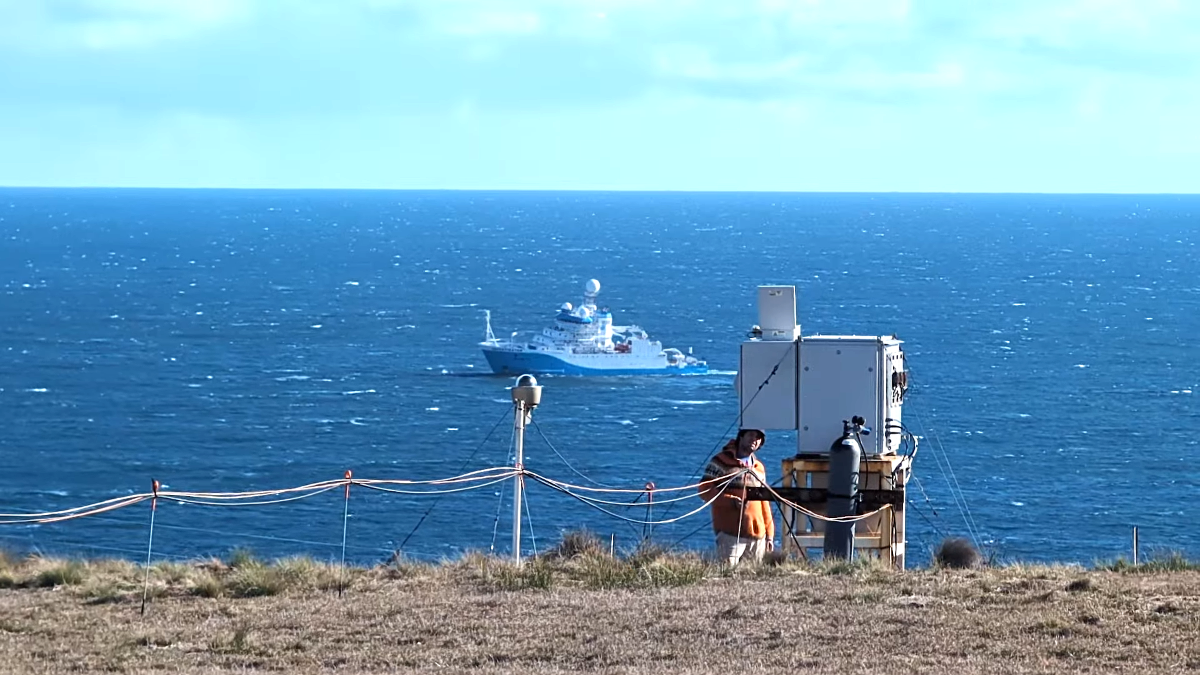
In April and May 2025, the research vessel Investigator (owned and operated by CSIRO) was deployed off the coast of kennaook / Cape Grim in a campaign dubbed Clean Ocean Air Sampling upwind of Tasmania – kennaook (COAST-k). CSIRO research scientist Ruhi Humphries served as COAST-k’s principal investigator.
Over three weeks, the vessel, with a comprehensive suite of instruments, coordinated measurements with CAPE-k instruments.
According to Mace, this was a unique opportunity because the Investigator collected data using a similar set of instruments to those at CAPE-k, allowing scientists to examine how aerosols and clouds changed between the ship and the ground site.
The ship’s schedule determined the timing, but the autumn period in May is a transition time when intense storms usually bring baseline air from the Southern Ocean. Indeed, the experiment captured a very strong frontal passage followed by an extended period of baseline flow.
The two campaigns highlight the success of international partnerships in atmospheric science, says Marchand, combining the resources and knowledge of experts from Australia and the United States.
Connecting Students to Field Campaign Research
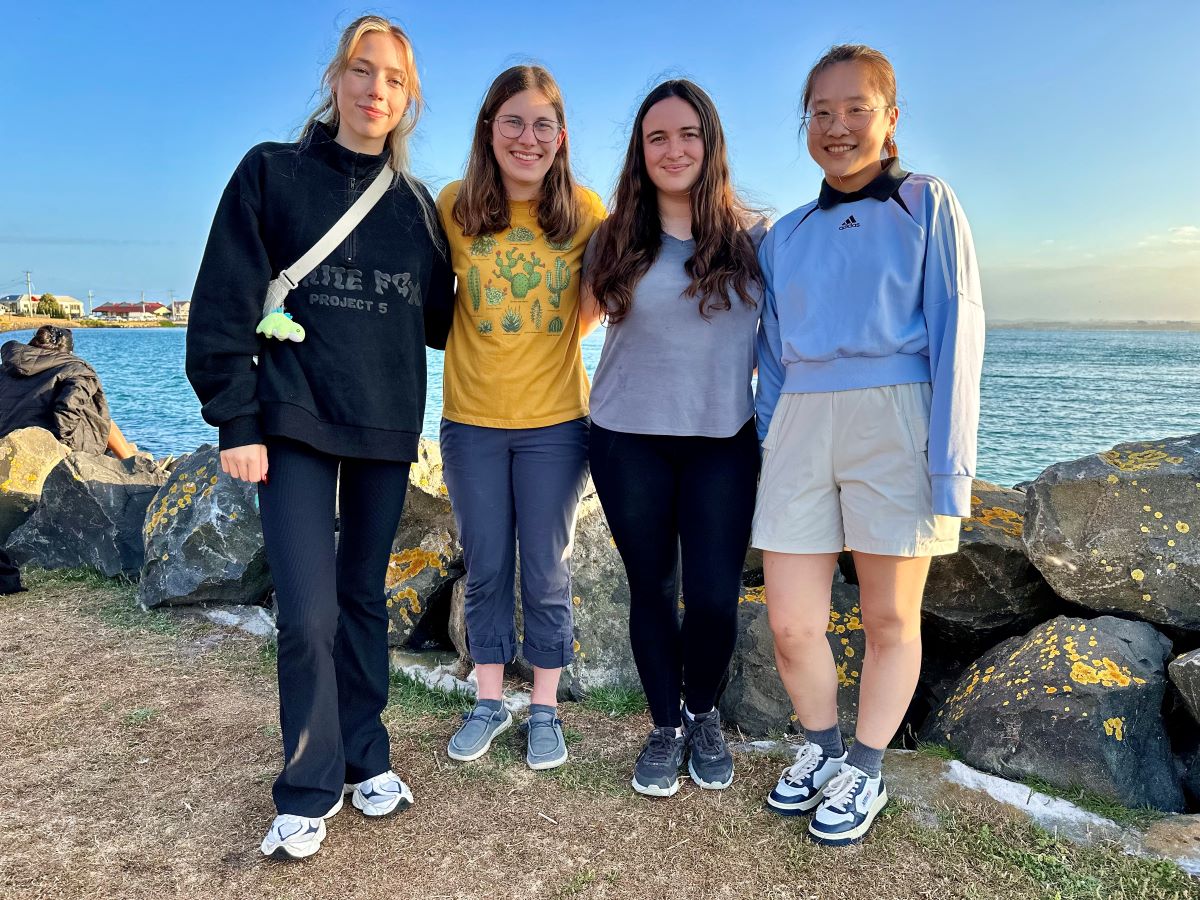
As part of their collaboration, ARM, BOM, and CSIRO co-hosted a CAPE-k student workshop in February 2025. The event, held in Stanley, Tasmania, included participation from a consortium of Australian universities and brought together 14 instructors with 27 students from the United States, Australia, and Europe.
ARM provided support for four university students to attend the workshop, which offered unique hands-on experiences with CAPE-k data and open-source tools for analyzing field campaign measurements. Participants also visited the CAPE-k research site to get a closer look at the instruments used in atmospheric studies.
“As ARM data becomes increasingly complex, it is essential we have a workforce that can have the greatest scientific impact using ARM data,” says ARM Workforce Development Coordinator Scott Collis, who works at Argonne National Laboratory in Illinois. “The CAPE-k student workshop run in conjunction with our Australian partner institutions was a golden opportunity to train the next generation of scientists on both sides of the Pacific.”
Initial feedback from participants highlighted significant gains in technical skills and a deeper understanding of field campaign science. Students also reported that they were contributing to research that directly aligns with CAPE-k’s overarching goals.
Guest Campaigns
In addition to its primary mission, CAPE-k provided a collaborative platform for 10 guest research campaigns spearheaded by scientists from universities and research institutions.
These guest studies covered a variety of topics, including aerosol composition and its precursors, as well as the dynamics of water vapor, temperature, and liquid water content. Researchers also explored ultraviolet irradiance and albedo; investigated cloud droplet number concentrations; and studied the predictability of aerosol concentrations, chemical compositions, and their sources.
“These secondary campaigns have been fantastic and have added—or will add—a lot of valuable measurements that we wouldn’t have had otherwise,” says Marchand. “This includes more detailed information on aerosol and ice nuclei composition, water vapor isotopic ratios, and more.”
Learn more about these campaigns on the CAPE-k campaign page.
Collaboration Amid Harsh Conditions
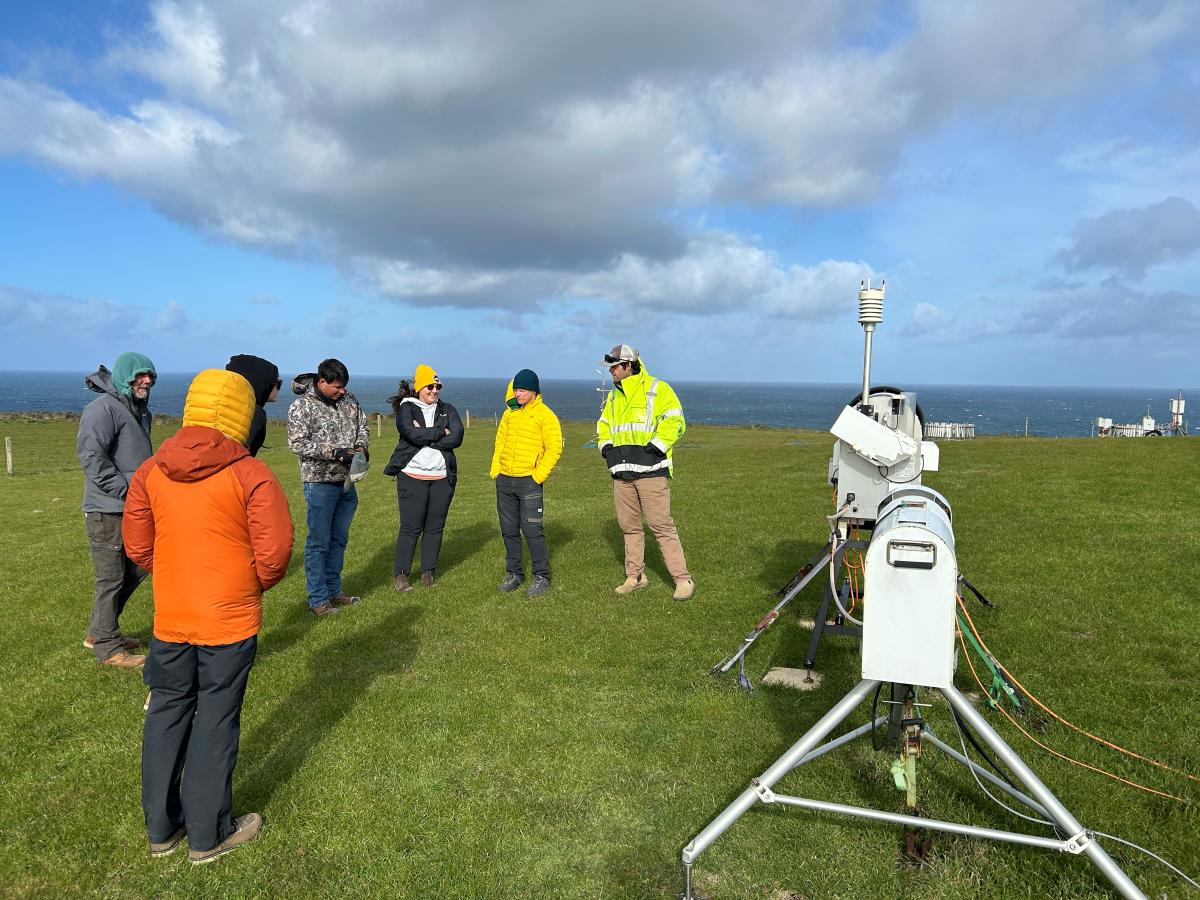
Moving an ARM Mobile Facility to a remote site halfway around the world is a significant logistical achievement. Adding the complexities of installation, operation, and maintenance in a rugged environment presents an even greater challenge, says Heath Powers, who manages the ARM Mobile Facility that operated in Tasmania for CAPE-k.
Powers credits ARM technicians for overcoming harsh conditions throughout the coastal campaign, including strong winds, heavy rainfall, and frequent sea spray. These elements posed risks to sensitive scientific instruments and equipment, threatening their accuracy and durability.
Marchand recalls an incident in which high wind broke one of the arms on a 10-meter (33-foot) tower. The team responded quickly, welded a replacement arm in place, and kept the data flowing.
“Our team on the ground did an exceptional job maintaining the instruments and battling the ever-present sea salt intrusion, which was critical to ensuring the collection of reliable, high-quality data,” says Powers.
He notes that one aerosol instrument, the aerodynamic particle sizer (APS), failed twice and could not be repaired before the end of the campaign. “With four months left in the study, CSIRO came to the rescue and lent us their brand new APS to allow us to complete the campaign,” says Powers. “All told, we didn’t have a lot of instrument downtime during the campaign, a testament to our site operators’ attention, ingenuity, and resourcefulness, along with some big assists by our Australian collaborators.”
Adds KCG BAPS Officer in Charge Sarah Prior: “The onsite ARM techs supported a vast array of instruments that were hosted both in and near the KCG Main Lab. Their excellent communication and professionalism throughout the campaign were greatly appreciated.”
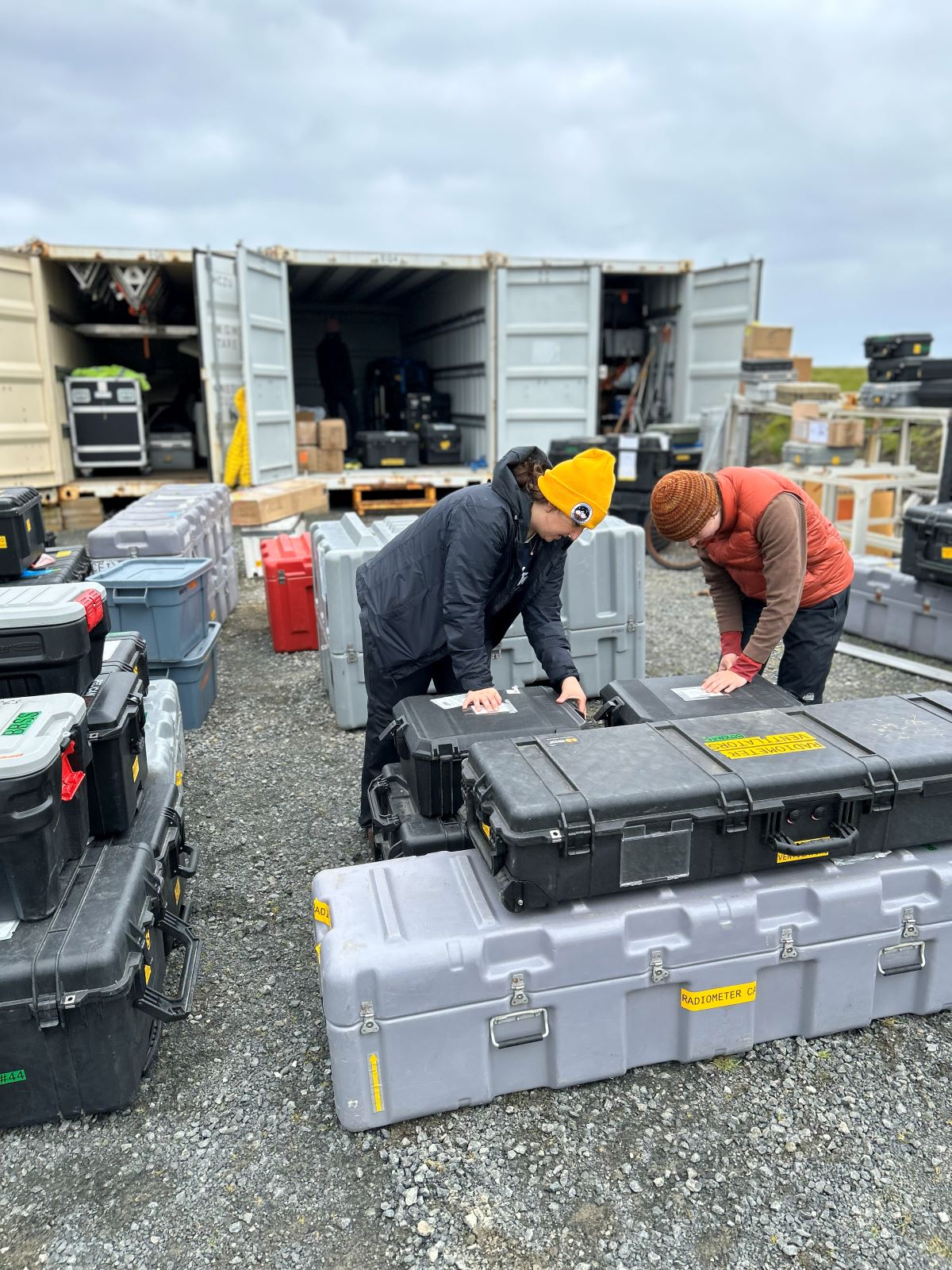
After a year and a half of data collection, the site team started packing up October 20. By November 5, the instruments were stowed in containers and shipped to port, beginning a four-month ocean voyage back to the United States aboard a container ship.
ARM Data and Value-Added Products: A CAPE-k Legacy
By the close of the campaign, CAPE-k had added 91 terabytes of data to the ARM Data Center. This included data from 24 value-added products (VAPs), which enhance raw data sets for specific scientific purposes.
The following VAPs in the ARM Data Center are among the most downloaded from CAPE-k:
- Doppler Lidar Vertical Velocity Statistics (DLPROF-WSTATS)
- Doppler Lidar Wind (DLPROF-WIND)
- Gridded Sonde (GRIDDEDSONDE)
- Interpolated Sonde (INTERPSONDE)
- Ka-Band ARM Zenith Radar Active Remote Sensing of CLouds (KAZRARSCL).
ARM staff processed and analyzed these higher-order products to make the data easier to use in atmospheric research and earth system models, which are needed to transform our understanding of nature.
ARM plans to release additional CAPE-k VAPs through the ARM Data Center, thereby increasing access to high-quality insights into atmospheric processes.
Setting the Stage for Fundamental Science
As scientists continue to delve into the vast data collected at kennaook / Cape Grim, the CAPE-k campaign reflects a pivotal step forward in atmospheric science. Its success is rooted in robust international collaboration and a united focus on addressing essential scientific questions to improve understanding of our planet’s atmosphere.
“At CAPE-k, we’ve not only advanced our knowledge of the Southern Ocean atmosphere, but we’ve also demonstrated the value of global cooperation in tackling complex scientific challenges,” says Marchand.
Author: Mike Wasem, Staff Writer, Pacific Northwest National Laboratory
# # #ARM is a DOE Office of Science user facility operated by nine DOE national laboratories.

Follow Us:






Keep up with the Atmospheric Observer
Updates on ARM news, events, and opportunities delivered to your inbox
ARM User Profile
ARM welcomes users from all institutions and nations. A free ARM user account is needed to access ARM data.