An official website of the United States government





ARM Alaska Data to Help Researchers Cut Through Ice Fog
Published: 27 January 2026
FATIMA team studies the microphysics of this phenomenon and how turbulence affects it
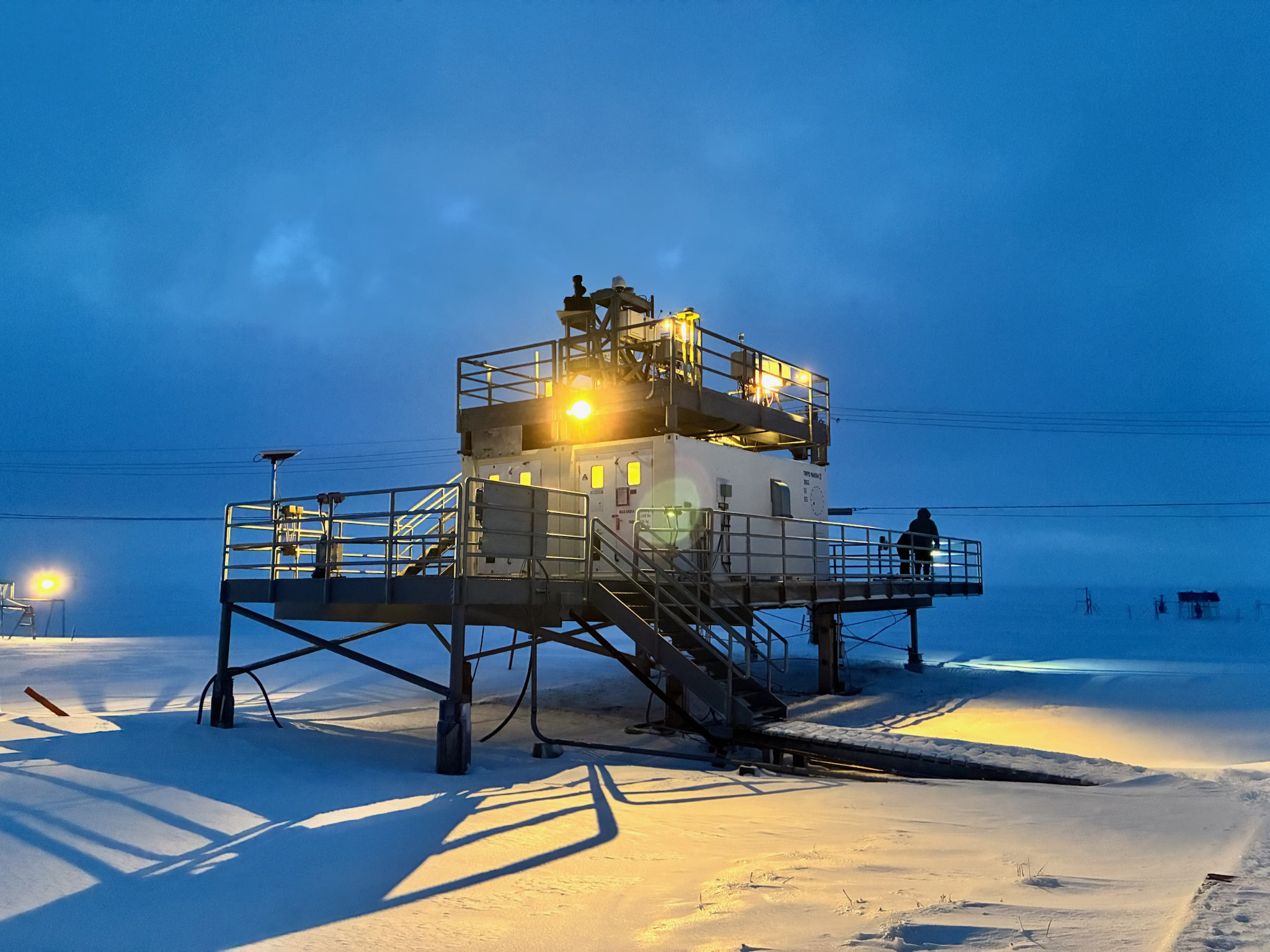
Like the marine fog that rolls into the San Francisco Bay Area and other coastal regions, ice fog can form a pretty, cozy blanket over the Earth’s surface.
Marine fog occurs because of various cooling processes, including warm, moist air moving across cooler ocean waters. Ice fog contains ice crystals and typically forms in temperatures colder than about 14 degrees Fahrenheit (minus 10 Celsius). Both types of fog block out sunlight to keep the surface cool during the day and hold in heat at night.
However, ice fog is much more complex than marine fog because its evolution involves all three phases of water—gaseous water vapor, supercooled liquid droplets, and solid ice crystals. Some unique dangers lurk within ice fog as well.
Ice fog can complicate travel by reducing visibility, at times to less than 165 feet (50 meters). The ice crystals in the fog can accumulate on the fuselage or engine components of an aircraft, degrade its performance, and make flying difficult to impossible. Ice buildup is also capable of damaging exposed wires or structures on the ground.
Accurate forecasting of ice fog events is needed for a variety of purposes, including monitoring visibility for aviation, ship transport and marine operations, and national security. Weather satellites deliver useful information for models by distinguishing ice fog from clouds and other types of fog. In addition, they can provide details about the fog’s density, depth, and horizontal coverage. Data from surface-based, in situ instruments are critical for shedding light on the properties of the ice crystals, including their size, shape, and number concentration, to further refine weather forecasting and monitoring capabilities.
Measurements related to arctic processes, such as those that lead to ice fog development, emerged as a priority from a November 2025 workshop that explored how observations from the Atmospheric Radiation Measurement (ARM) User Facility can improve understanding of risks to the nation’s energy and security infrastructure. Around the time of the workshop, a field campaign at ARM’s North Slope of Alaska (NSA) atmospheric observatory began collecting data to help researchers explore the microphysics of ice fog and improve its predictability.
Introducing FATIMA
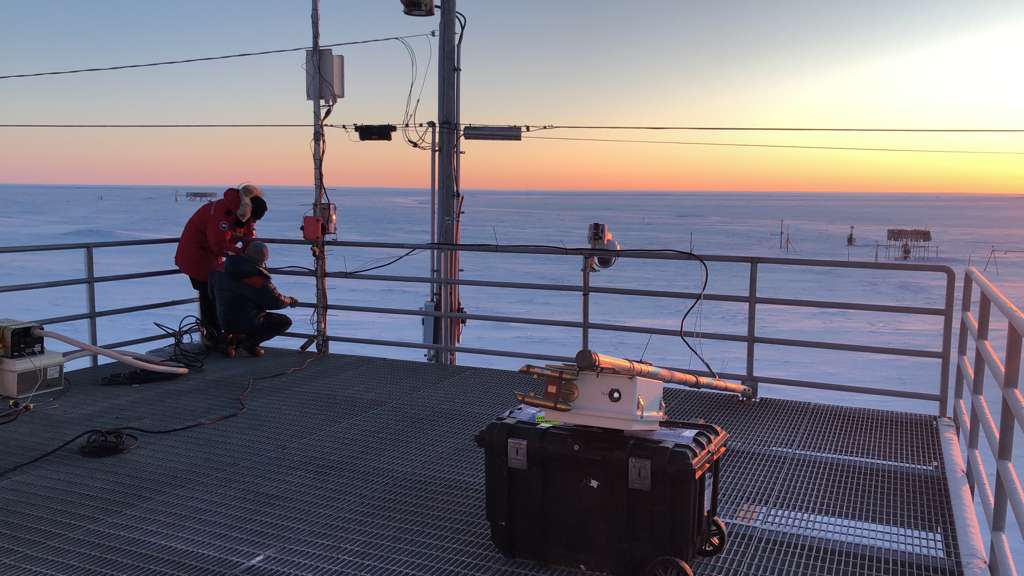
The NSA ice fog campaign in November and December 2025 was the last of three campaigns conducted as part of the Fog And Turbulence Interactions in the Marine Atmosphere (FATIMA) project. FATIMA funding comes from the Office of Naval Research (ONR) Marine Meteorology and Space Weather Program. Prior to the FATIMA project, the effects of turbulence on fog had not been well studied.
FATIMA’s first two campaigns took place in the Grand Banks region of northeastern Canada in 2022 and the Yellow Sea off South Korea’s coast in 2023. Both campaigns used ship- and island-based platforms, focusing on marine fog. The Yellow Sea campaign also involved an aircraft and ocean platforms.
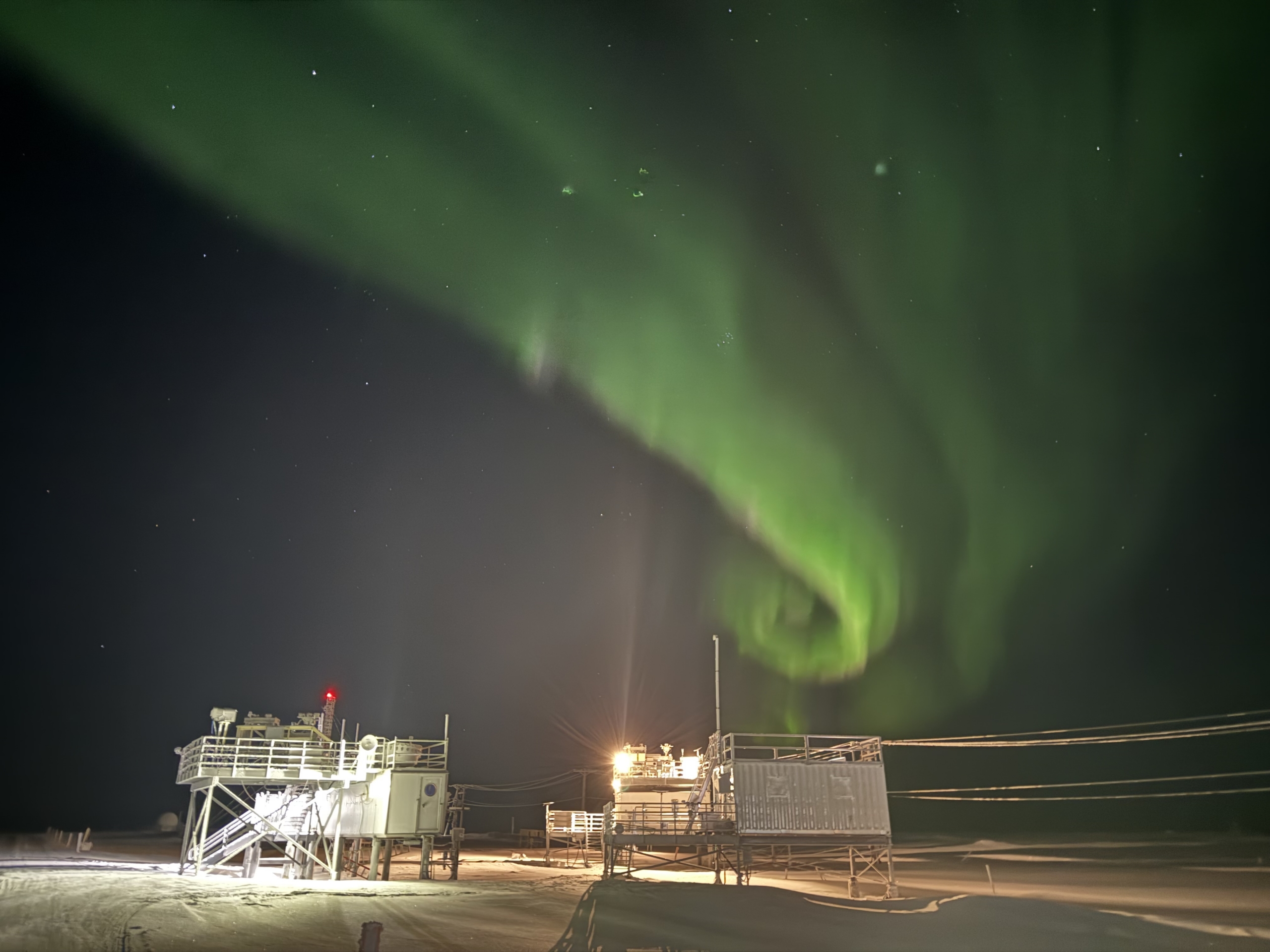
Cost and other logistical considerations led the FATIMA team to look at coastal land sites for the third campaign, studying ice fog. The team chose the NSA because of its unique infrastructure, including state-of-the-art instruments such as remote sensing platforms and meteorological sensors, and location near the edge of the Arctic Ocean.
The study at the NSA captured some surprising observations.
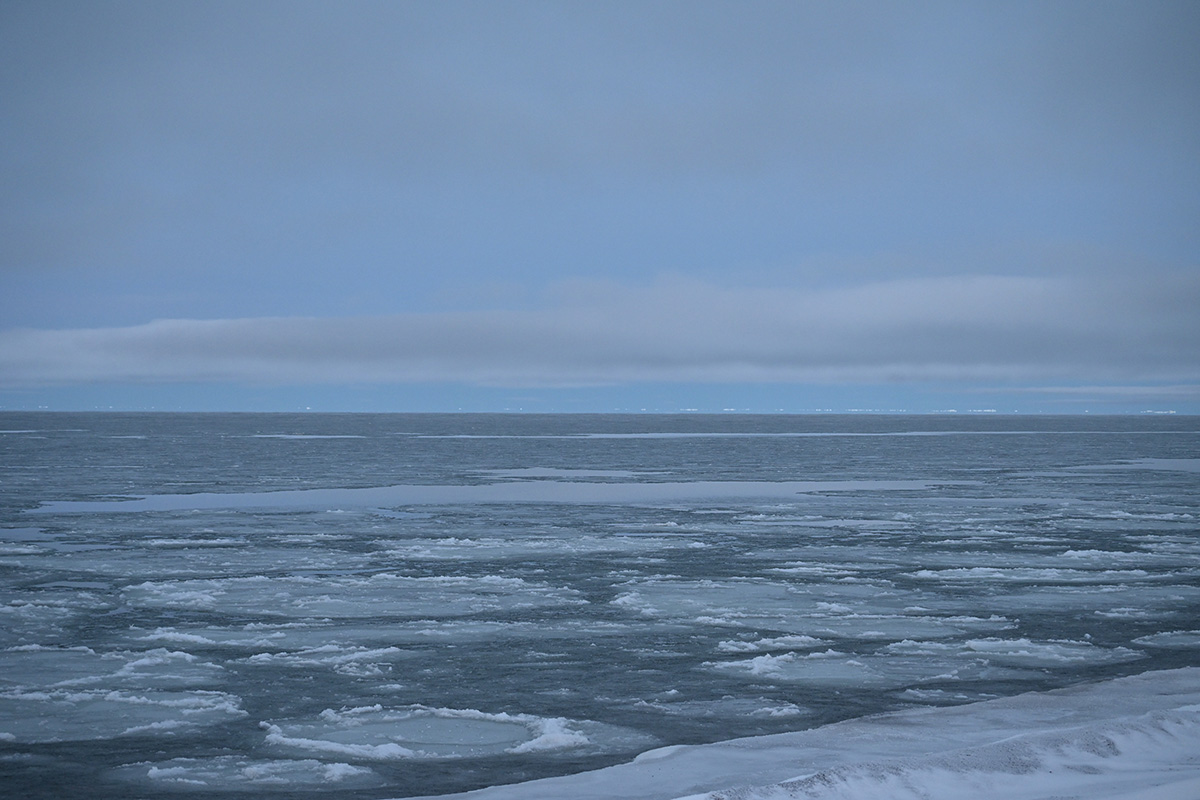
“During our experiments, the (sea) ice got opened up many times because of the wind stress and thermal forcing,” says FATIMA Principal Investigator Harindra Joseph Fernando, a professor at the University of Notre Dame. The moisture from the open water helped generate conditions for the development of ice fog or, if it was slightly warmer, freezing fog (supercooled water droplets that freeze upon contact with surfaces).
Before FATIMA, Fernando and co-investigator Ismail Gultepe were already familiar with ARM, a U.S. Department of Energy (DOE) Office of Science user facility, and its capabilities in Alaska.
In November 2020, Fernando and Gultepe teamed with ARM to carry out the Ice Fog Field Experiment at Oliktok Point (IFFExO), about 160 miles (257 kilometers) east of the NSA. ARM operated a mobile observatory at Oliktok Point from 2013 to 2021. IFFExO was the final campaign at Oliktok Point before ARM ended its mobile deployment there.
While both FATIMA and IFFExO looked at ice fog, FATIMA collected three-dimensional wind data and additional microphysical measurements to help improve understanding of how turbulence and microphysical and biochemical interactions can affect visibility in ice fog, as well as its life cycle.
Marine aerosols—a key interest for FATIMA—are dominant in the NSA area, whereas the aerosols around Oliktok Point are affected by nearby oil fields.
Fernando and Gultepe were very happy to work with ARM and DOE again for FATIMA.
“Without the ARM site and its instrumentation, the project would be very limited,” says Gultepe, who is affiliated with Ontario Tech University (Canada) and Notre Dame.
ARM and DOE also had past ties to ONR. In 2023, ONR and DOE’s Atmospheric System Research (ASR) program area supported the Southern California Interactions of Low cloud and Land Aerosol (SCILLA) experiment. SCILLA was designed to complement ARM’s Eastern Pacific Cloud Aerosol Precipitation Experiment (EPCAPE) in La Jolla, California.
Campaign Operations and Data
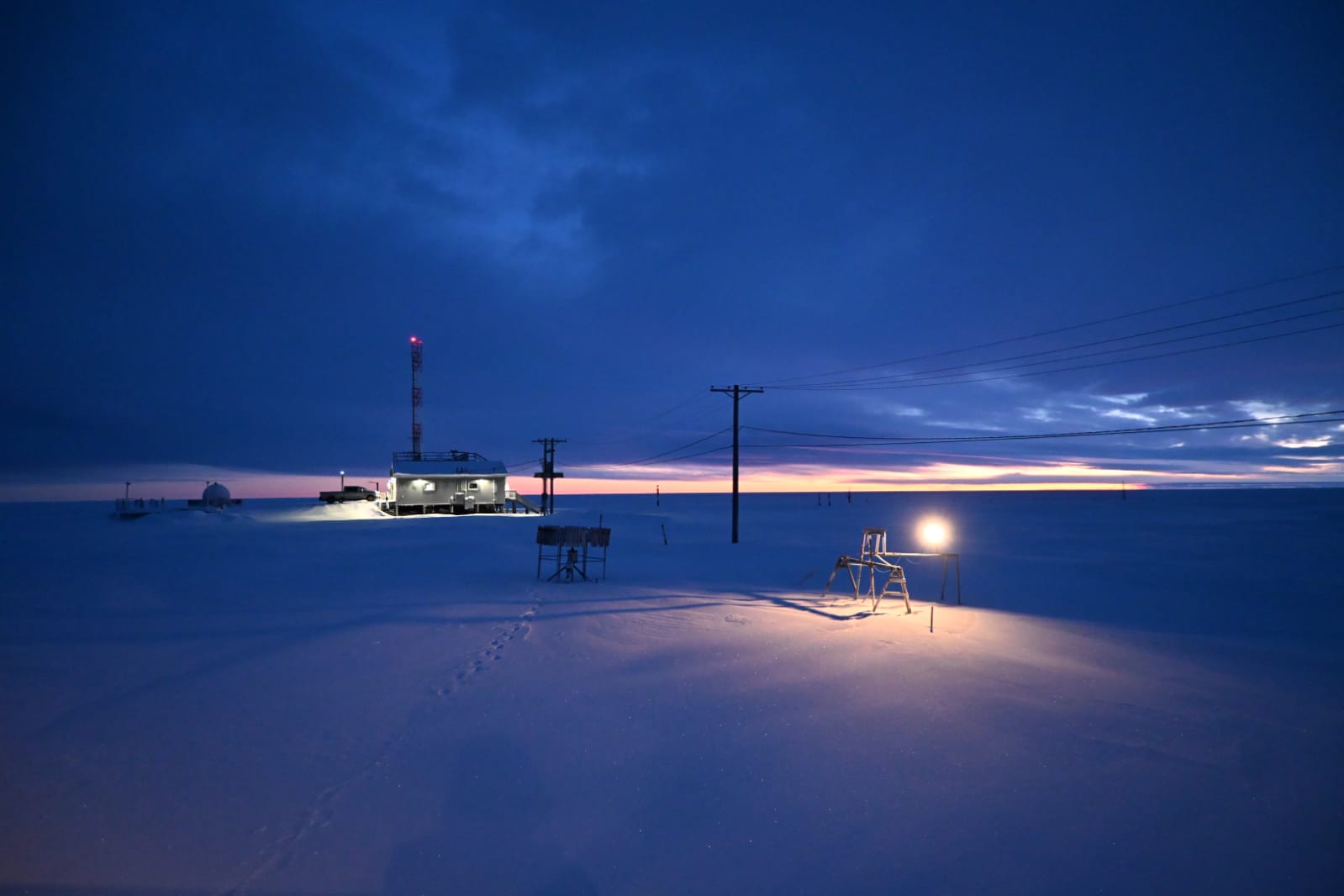
Staff from Sandia National Laboratories in New Mexico, which manages the NSA for ARM, and visiting technicians came to the site in early November 2025 to help onsite personnel with logistical support and instrument setup for the FATIMA-Ice Fog (FATIMA-IF) campaign.
FATIMA-IF included six intensive operational periods ranging from one to five days each to capture conditions of interest. Temperatures were around 5 to 14 F (minus 15 to minus 10 C) most of the time, but it got even colder toward the end of the campaign. The temperature was minus 31 F (minus 35 C) on December 6, which happened to be the campaign’s final day.
During IFFExO, ARM tethered balloon system (TBS) flights obtained microphysical, aerosol, and meteorological data across and within the ice fog layer. Though the TBS did not operate as part of FATIMA-IF, scientists got detailed ground-based data from NSA and guest instruments, as well as from some instruments that typically fly on the ARM TBS.
FATIMA-IF used a TBS radiosonde, printed optical particle spectrometer, condensation particle counter, and surface-based inlet system along with a Sandia-owned scanning mobility particle sizer. Other instruments borrowed from the TBS included a microaethalometer to measure the aerosol extinction and composition of soot particles, as well as an aerosol sampler from DOE’s Environmental Molecular Sciences Laboratory.
“All of these instruments were operated continuously on the surface beside the main cloud microphysics suite of optical-based instruments to characterize the number concentration, size, and composition of aerosol during ice fog events,” says Sandia atmospheric scientist Dari Dexheimer, ARM’s lead instrument mentor for the TBS.
A key guest instrument platform used during IFFExO and FATIMA-IF was the Gondola from Ontario Tech University. The Gondola carried cloud droplet and backscatter cloud probes to measure ice and droplet microphysics spectra.
Other guest instruments provided a wealth of information, such as droplet and ice crystal images, boundary-layer height measurements, and data on biological aerosols that might serve as nuclei for ice fog formation.
In addition to Notre Dame and Ontario Tech University, institutions that contributed guest instruments included the Air Force Institute of Technology, University at Albany, University of Alaska Fairbanks, and University of Utah.
Researchers are now in the early stages of analyzing the FATIMA-IF data. They also plan to look at measurements collected close to the NSA at the NOAA Barrow Atmospheric Baseline Observatory, where ARM has a set of aerosol instruments.
All data from the campaign should be fully available in the ARM Data Center around June 2026.
Author: Katie Dorsey, Staff Writer, Pacific Northwest National Laboratory
# # #ARM is a DOE Office of Science user facility operated by nine DOE national laboratories.

Follow Us:






Keep up with the Atmospheric Observer
Updates on ARM news, events, and opportunities delivered to your inbox
ARM User Profile
ARM welcomes users from all institutions and nations. A free ARM user account is needed to access ARM data.