An official website of the United States government





ARM Makes Strong Impression at 2026 AMS Annual Meeting
Published: 11 March 2026
Researchers share insights gained from ARM data
The 2026 American Meteorological Society (AMS) Annual Meeting, held from January 25 to 29 in Houston, Texas, and online, drew more than 7,000 attendees. Amid this bustling exchange of ideas, the U.S. Department of Energy’s Atmospheric Radiation Measurement (ARM) User Facility made a significant impact, with presenters showcasing a variety of ARM data and capabilities.
The AMS annual meeting brings together thousands of researchers, professionals, and students from around the world for scientific exchange and networking.
According to ARM’s AMS meeting web page, there were more than 120 ARM-related presentations during AMS 2026, including oral talks and posters. These presentations highlighted ARM observations, including continuous measurements and field campaign data, as well as other resources ARM provides to help support and advance atmospheric science.
Across all ARM-related sessions at AMS, key themes emerged:
- Aerosol-cloud interactions: From deep convection to warm clouds, ARM data informed studies on microphysical and dynamical processes.
- Advanced modeling and artificial intelligence: Sessions showcased physics-informed machine learning and high performance computing for atmospheric chemistry and cloud modeling.
- Integrated observations: Multi-instrument strategies and cross-site comparisons highlighted ARM’s role in bridging the observational and modeling communities.
TRACER Takes the Spotlight
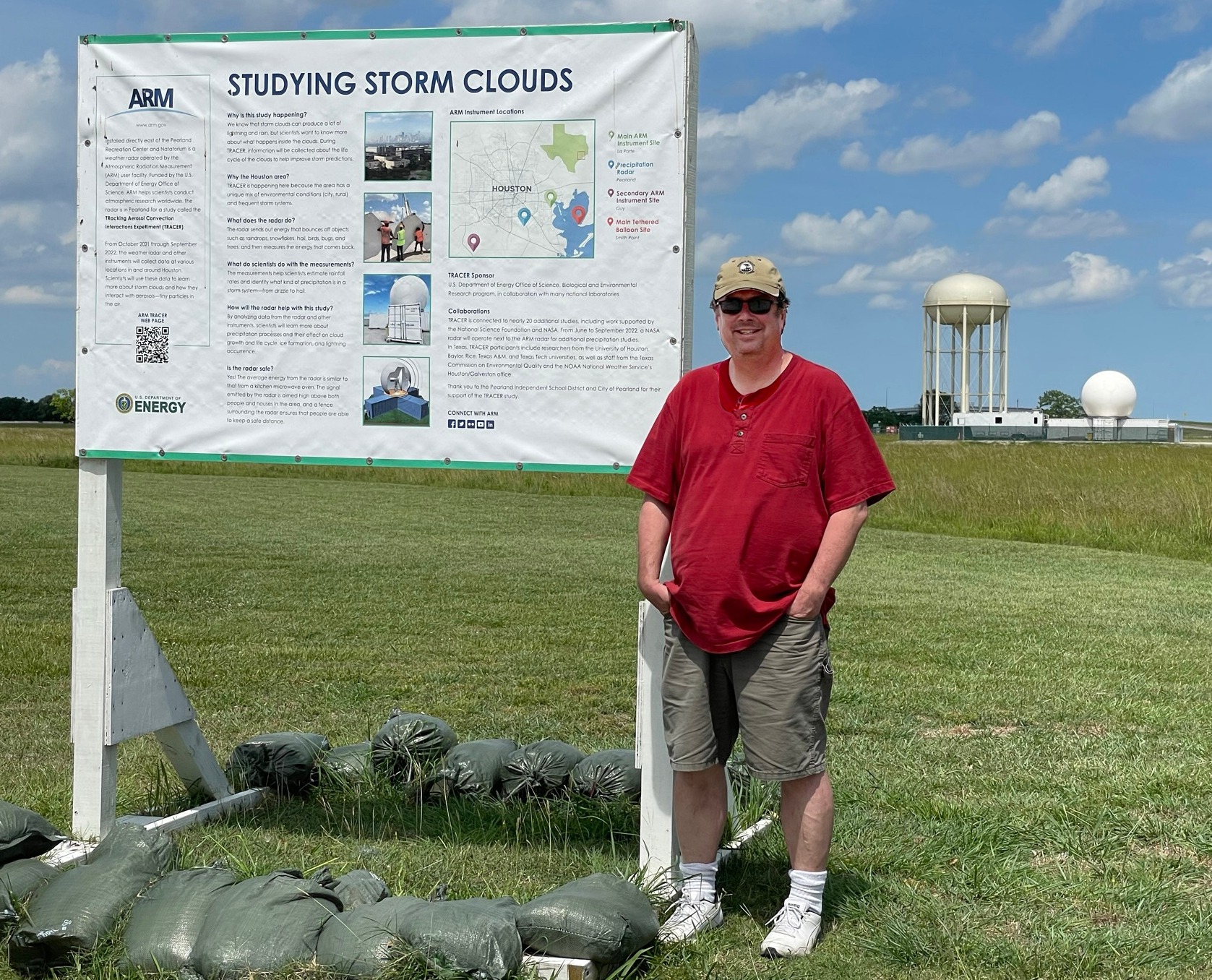
With AMS 2026 taking place in Houston, which provided the backdrop for ARM’s 2021–2022 TRacking Aerosol Convection interactions ExpeRiment (TRACER), the campaign and its data were a significant focus of ARM-related presentations at the meeting.
Led by Michael Jensen, a meteorologist and interim department chair at Brookhaven National Laboratory (BNL) in New York, TRACER gathered data to examine how urban and marine air masses interact to influence deep convective clouds.
Jensen, along with co-chairs Greg McFarquhar (University of Oklahoma) and Tamanna Subba (BNL), led four TRACER-related AMS sessions.
Overall, AMS 2026 featured 45 TRACER-related presentations, highlighting topics such as the intricate interplay of aerosols, convection, and air quality in coastal urban settings. TRACER-related AMS sessions included observational and modeling studies that analyzed aerosol-cloud interactions, convective storm dynamics, and planetary boundary-layer processes, using multi-instrument data sets from ground-based, airborne, and ship-based platforms.
Taken together, says Jensen, TRACER-related presentations underscore the ARM’s campaign’s role in improving predictive understanding of how the complex coastal urban environment shapes cloud development, aerosol life cycles, precipitation, and their interactions.
“By measuring and observing the characteristics of urban and marine air masses, TRACER data continues to reveal how aerosols influence cloud and storm life cycles—and it helps us model them more effectively,” says Jensen. “As demonstrated by the many presentations here at AMS, these observations offer a clearer understanding of how local meteorology influences aerosol and convection properties and their interactions, which is crucial for improving forecasts in complex coastal environments.”
More Recent ARM Campaigns Featured
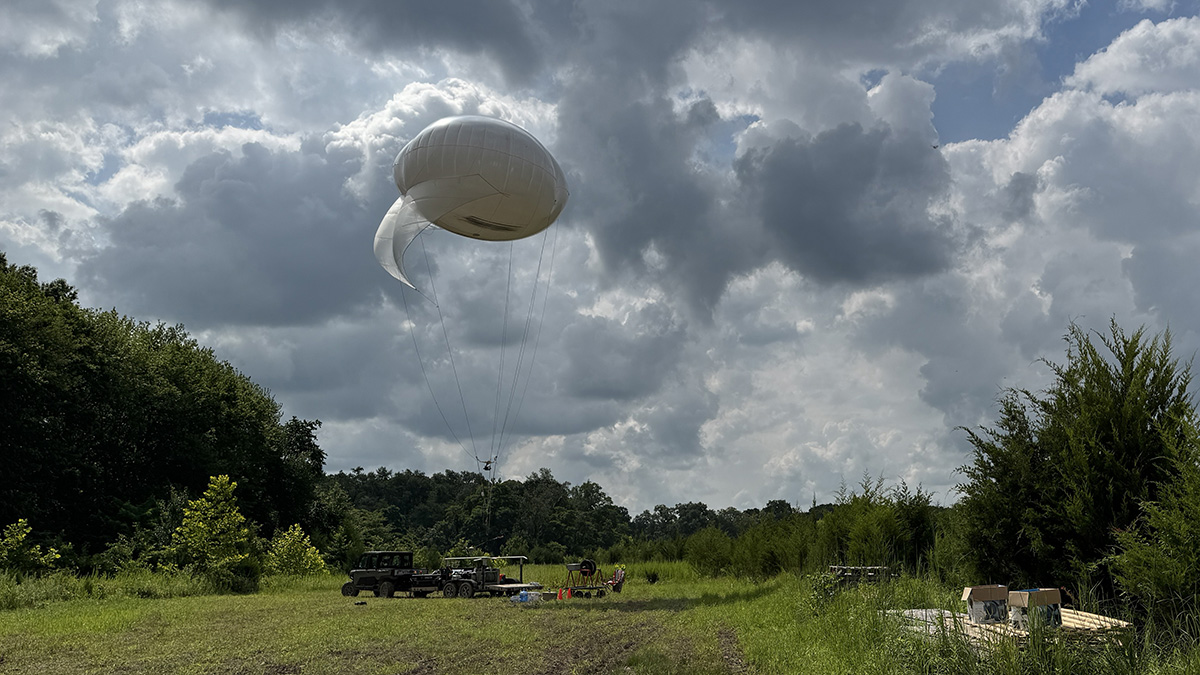
Although ARM concluded observations in November 2025 for the yearlong Coast-Urban-Rural Atmospheric Gradient Experiment (CoURAGE), the campaign was well represented at AMS with 13 presentations. The CoURAGE presentations explored topics such as precipitation processes and urban-rural gradients, including causal inference approaches for meteorological measurements.
CoURAGE’s primary objective was to assess the extent to which the atmospheric environment of Baltimore, Maryland, relies on interactive feedbacks within the atmospheric system and how urban conditions are influenced by surrounding regions. Researchers are using CoURAGE data to improve the accuracy of earth system models and enhance model simulations of the atmospheric environment in coastal cities.
Other recent ARM campaigns with a presence at AMS included the Cloud And Precipitation Experiment at kennaook (CAPE-k), which completed operations in October 2025 after 18 months of data collection in northwestern Tasmania; and the 2023–2024 Eastern Pacific Cloud Aerosol Precipitation Experiment (EPCAPE) in La Jolla, California.
Atmospheric Observatories Enable Variety of Research
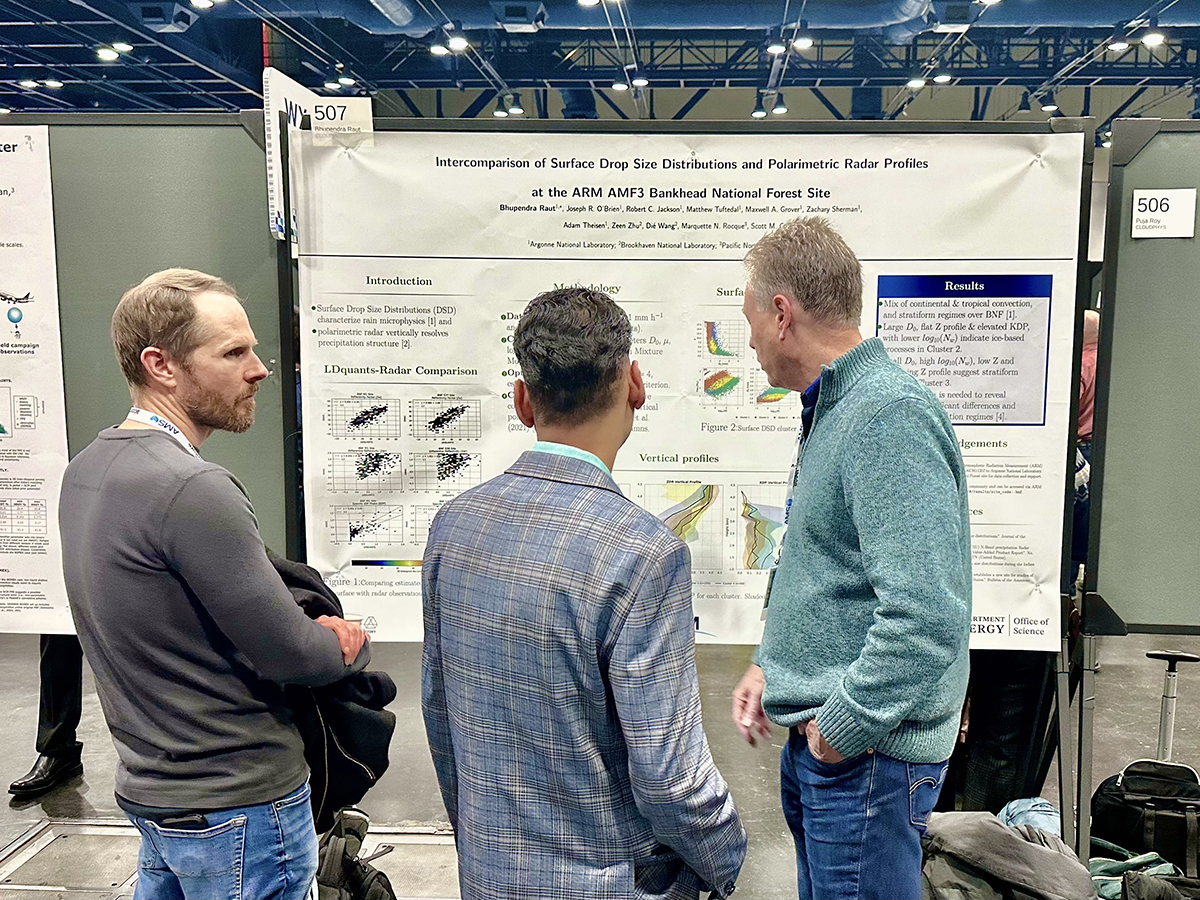
During AMS 2026, researchers also presented work using data collected at ARM atmospheric observatories.
Eleven presentations highlighted research using data from the Southern Great Plains (SGP) atmospheric observatory. The SGP, which began collecting data in May 1992, features extensive clusters of ground-based instruments in north-central Oklahoma. Several of the presentations highlighted long-term SGP data and integration into model development.
ARM’s newest atmospheric observatory, the Bankhead National Forest (BNF) in northwestern Alabama, began operations in October 2024. Scientists are using BNF data to better understand clouds, aerosols, and land-atmosphere interactions over a heavily forested region.
In 11 presentations at AMS, ARM users spotlighted work enabled by BNF data. Research topics included convective updraft dynamics, boundary-layer analysis, and ice-nucleation characterization.
Eight presentations focused on data from ARM’s Eastern North Atlantic (ENA) atmospheric observatory. The presentations showed how the remote ENA site continues to sharpen scientific understanding of marine clouds, aerosols, and boundary‑layer dynamics since opening in September 2013.
Several studies used the ENA’s rich radar, lidar, radiometer, and aircraft observations to probe the microphysics of warm clouds. Others explored the shifting aerosol landscape above the North Atlantic, including influences of wildfire smoke transported over long distances into the region.
ARM’s North Slope of Alaska (NSA) atmospheric observatory provides comprehensive data about cloud and radiative processes at high latitudes. The NSA central facility in Utqiaġvik (formerly Barrow) has hosted research near the Arctic Ocean since September 1997.
Four AMS presentations based on NSA data focused on a region where mixed-phase and ice clouds play an outsized role in shaping Earth’s energy balance. Scientists showcased radar-driven insights into turbulence and ice microphysics alongside advances in machine learning for cloud-phase classification, all aimed at understanding cloud behavior in the Arctic.
Looking Ahead to DUSTIEAIM
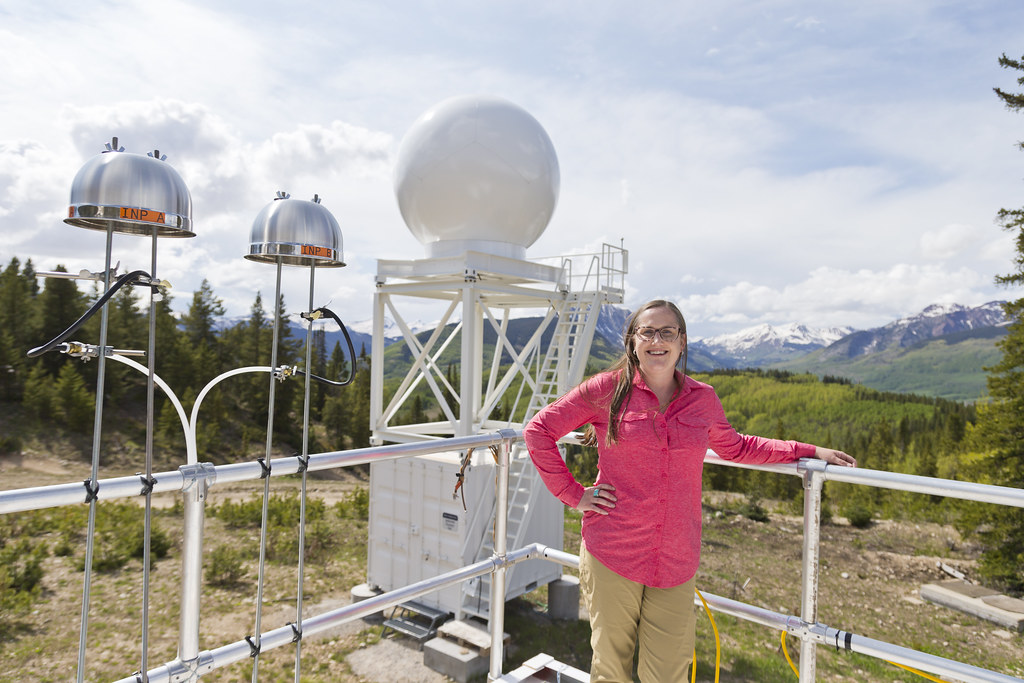
During a week focused on scientific exchange, a team met to plan for ARM’s next major field campaign.
The Desert-Urban SysTem IntegratEd AtmospherIc Monsoon (DUSTIEAIM) campaign is set to launch in June 2026 in the Phoenix, Arizona, area. DUSTIEAIM Principal Investigator Allison C. Aiken from Los Alamos National Laboratory in New Mexico used time at AMS for her team to meet, review progress, and set priorities.
Aiken notes that discussions focused on refining the science plan and addressing operational details. “One of our big priorities is working out our radar strategy,” she says, describing the transition from early concepts to detailed planning.
According to Aiken, the AMS meeting confirmed that preparations are proceeding as planned. Organizers are focusing on integrating measurements and logistics at the main site and coordinating instrumentation and schedules well ahead of the campaign start.
“AMS offered us the perfect timing,” says Aiken, adding that many AMS presentations were closely related to DUSTIEAIM’s research goals.
She describes the meeting atmosphere as “highly engaged, with strong community interest aligning with the campaign’s objectives.” From AMS sessions and presentations, the DUSTIEAIM team identified shared priorities, such as dust and wildfire plumes, that could lead to future collaboration.
“The community is very interested in this campaign,” says Aiken.
ARM Community Members Honored

Each year at AMS, attendees look forward to the awards ceremony that recognizes members of the research community.
At AMS 2026, the ARM community was well represented on stage. Shaocheng Xie of Lawrence Livermore National Laboratory in California and Peter May of Australia’s Monash University were among 27 researchers recognized as 2026 AMS Fellows. Meanwhile, Zhanqing Li of the University of Maryland was honored with the AMS Verner E. Suomi Technology Medal for his use of remote sensing to measure Earth’s energy budget, and Jim Marquis of Pacific Northwest National Laboratory in Washington state received an AMS Editor’s Award for his work supporting Monthly Weather Review. Read more about these AMS 2026 awards and honors.
Author: Mike Wasem, Staff Writer, Pacific Northwest National Laboratory
# # #ARM is a DOE Office of Science user facility operated by nine DOE national laboratories.

Follow Us:






Keep up with the Atmospheric Observer
Updates on ARM news, events, and opportunities delivered to your inbox
ARM User Profile
ARM welcomes users from all institutions and nations. A free ARM user account is needed to access ARM data.